3 Days​ Angkor Wat tour

3 Days​ Angkor Wat tour

Overview

Experience the best of Angkor Wat and the surrounding attractions over three unforgettable days. Enjoy iconic temples, ancient Khmer masterpieces, and authentic local life. 
Day 1 - Sunrise & Small Circle Temples

Highlight

Itinerary

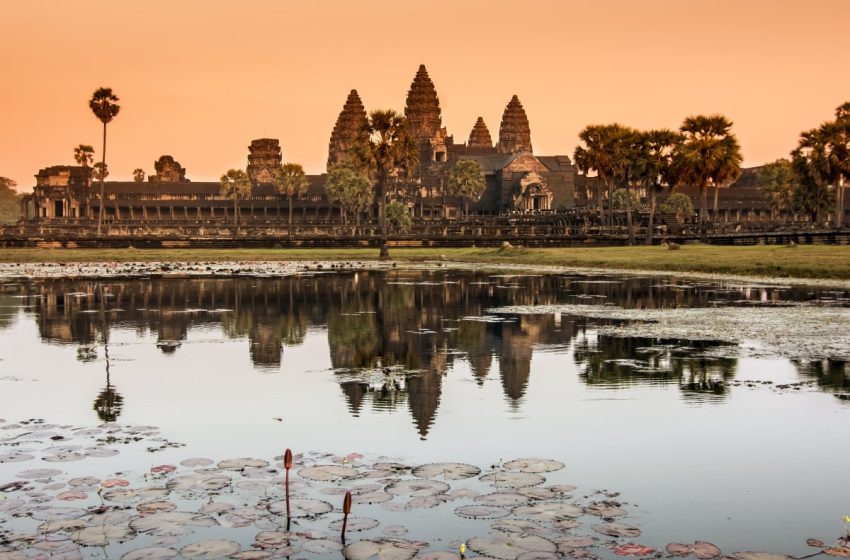
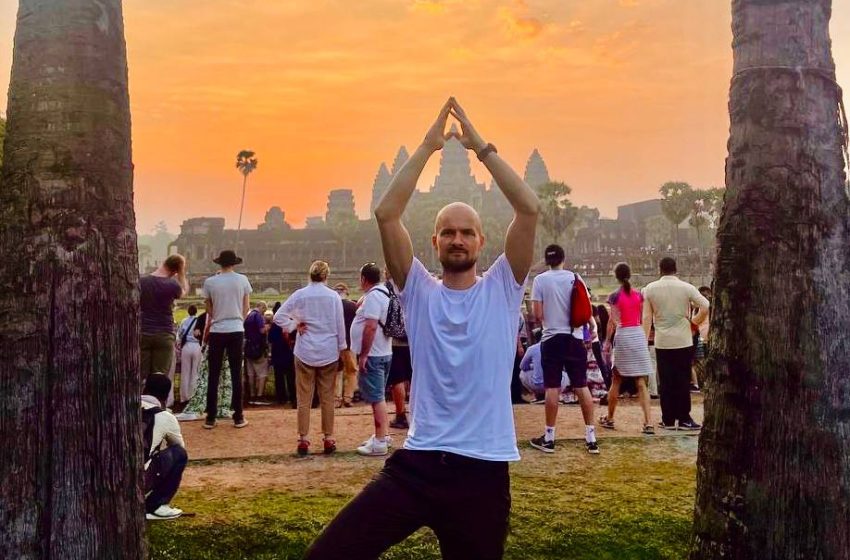
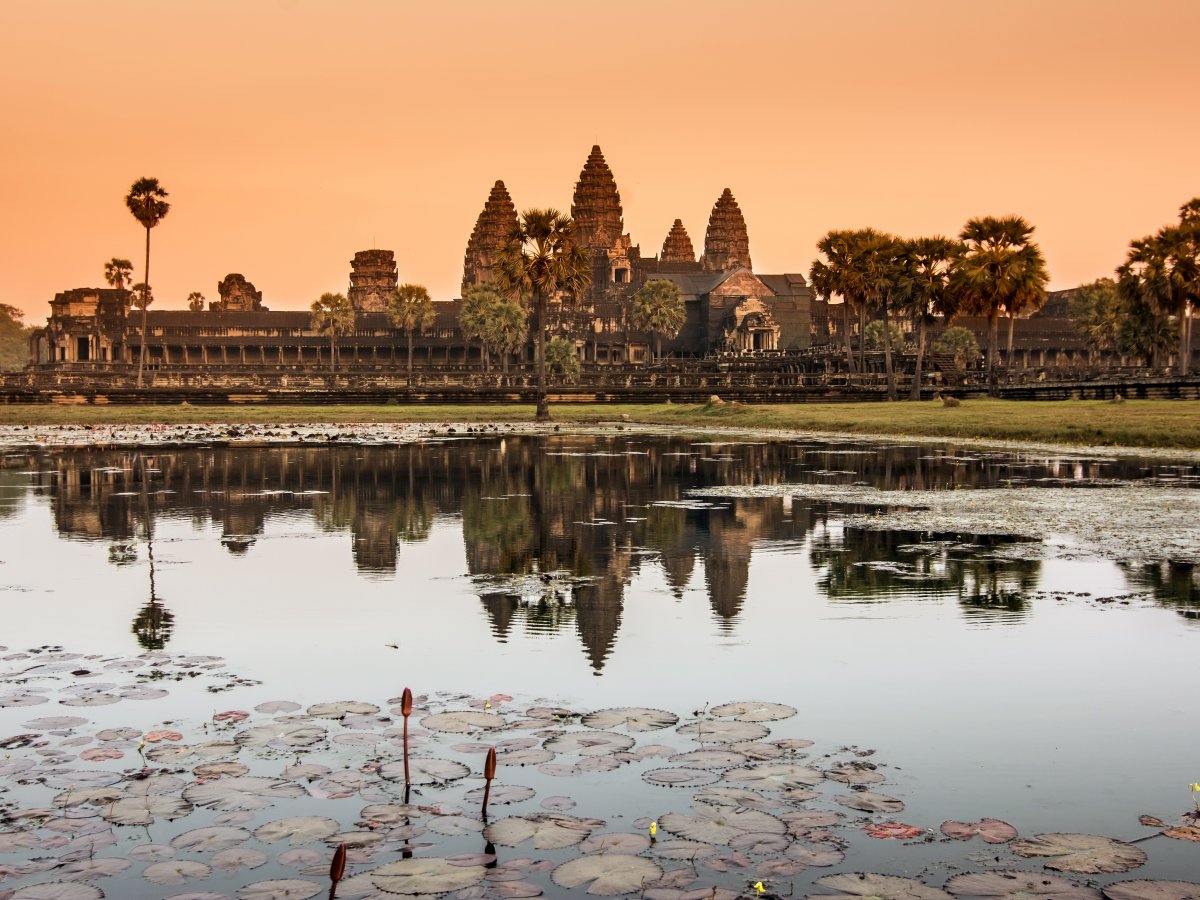
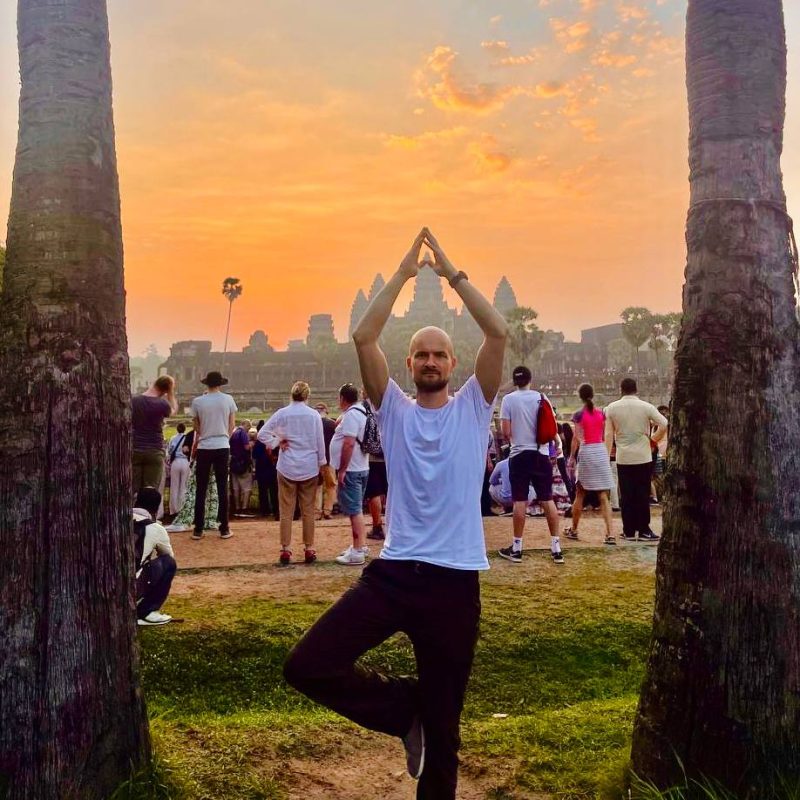
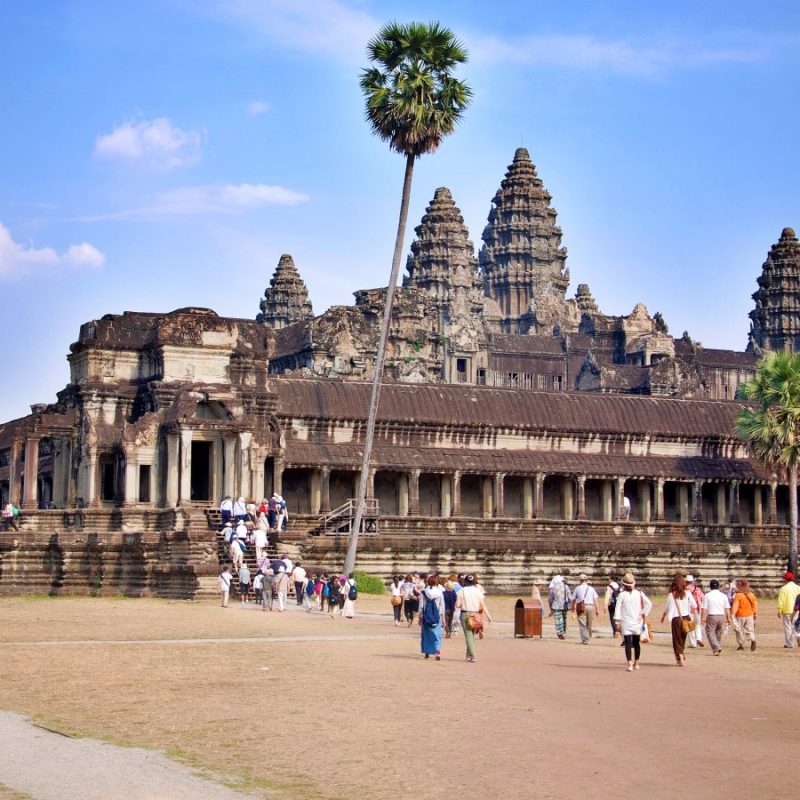
 Angkor Wat Sunrise

Start early with a pre-dawn hotel pick up and head to Angkor Wat to witness the megnificent sunrise. this iconic sunrise experience is one of the most unforgettable moments of your trip. 

Explore Angkor Wat 

Walk around the central complex with your knowledgeable guide, learning about the temples architecture and rich Khmer history. 

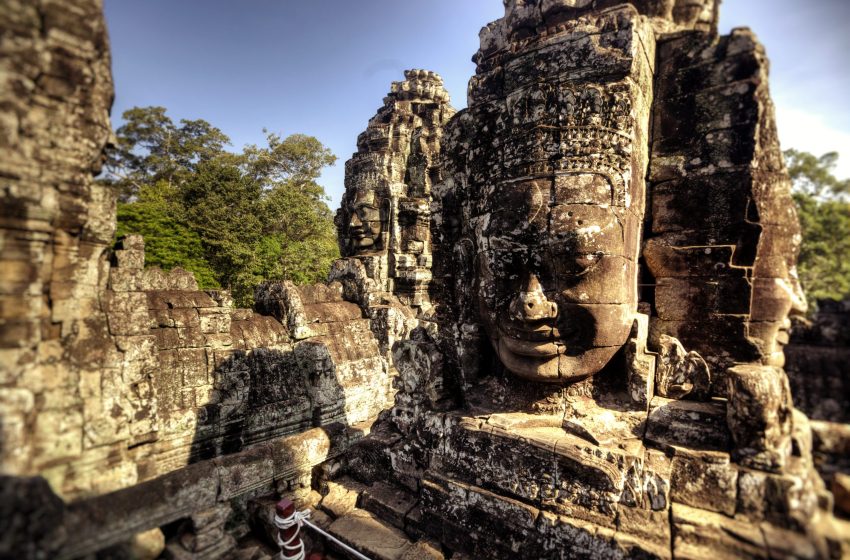
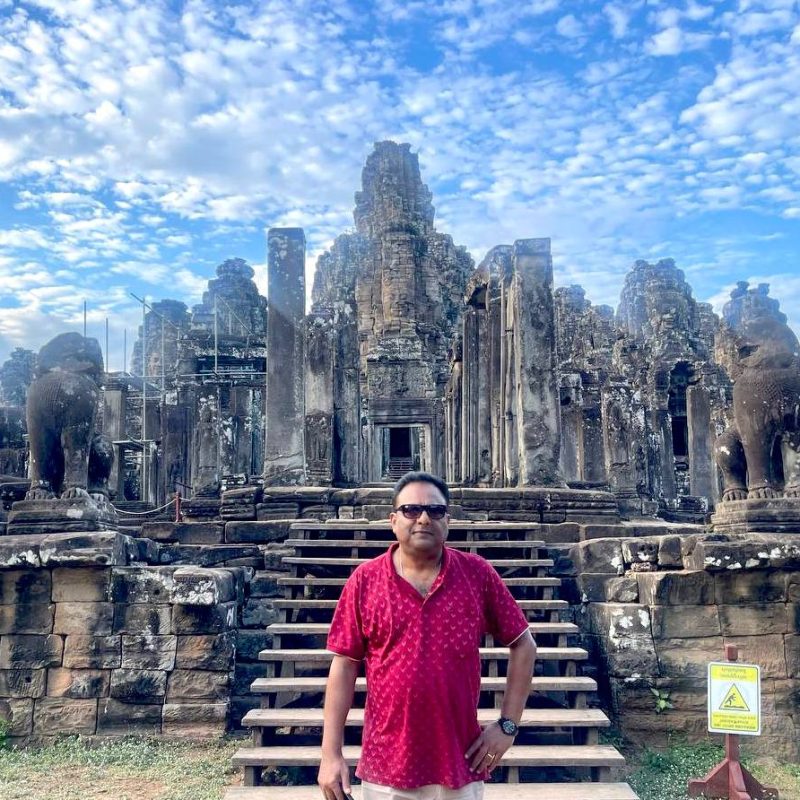
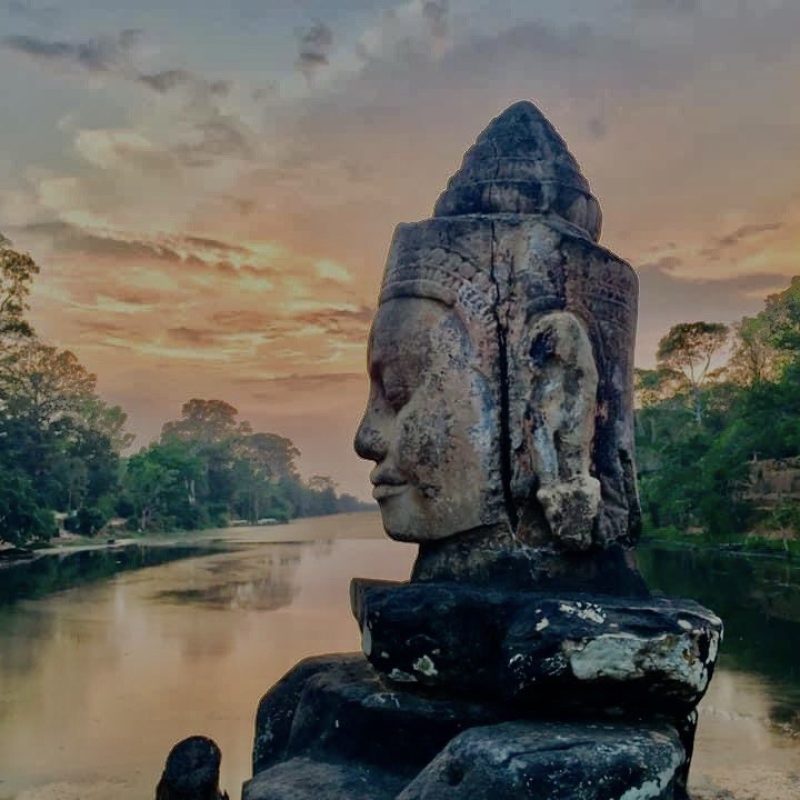
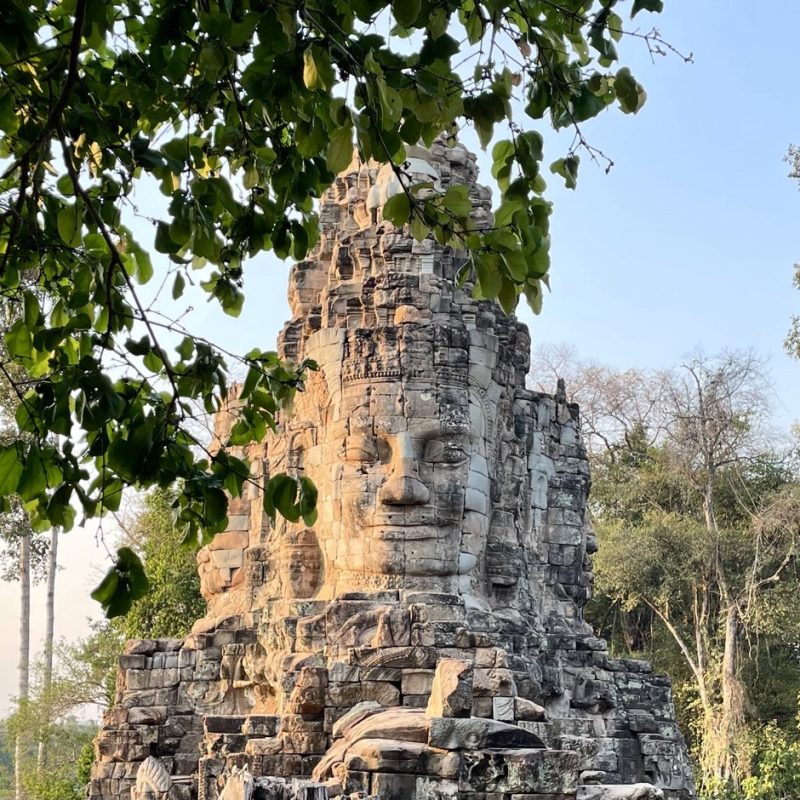
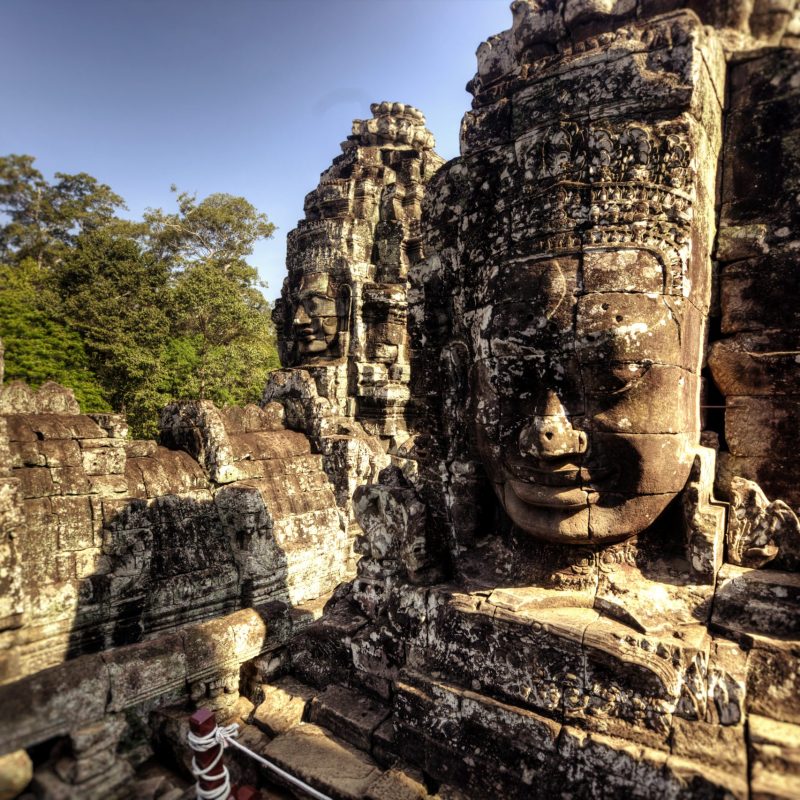
Angkor Thom & Bayon

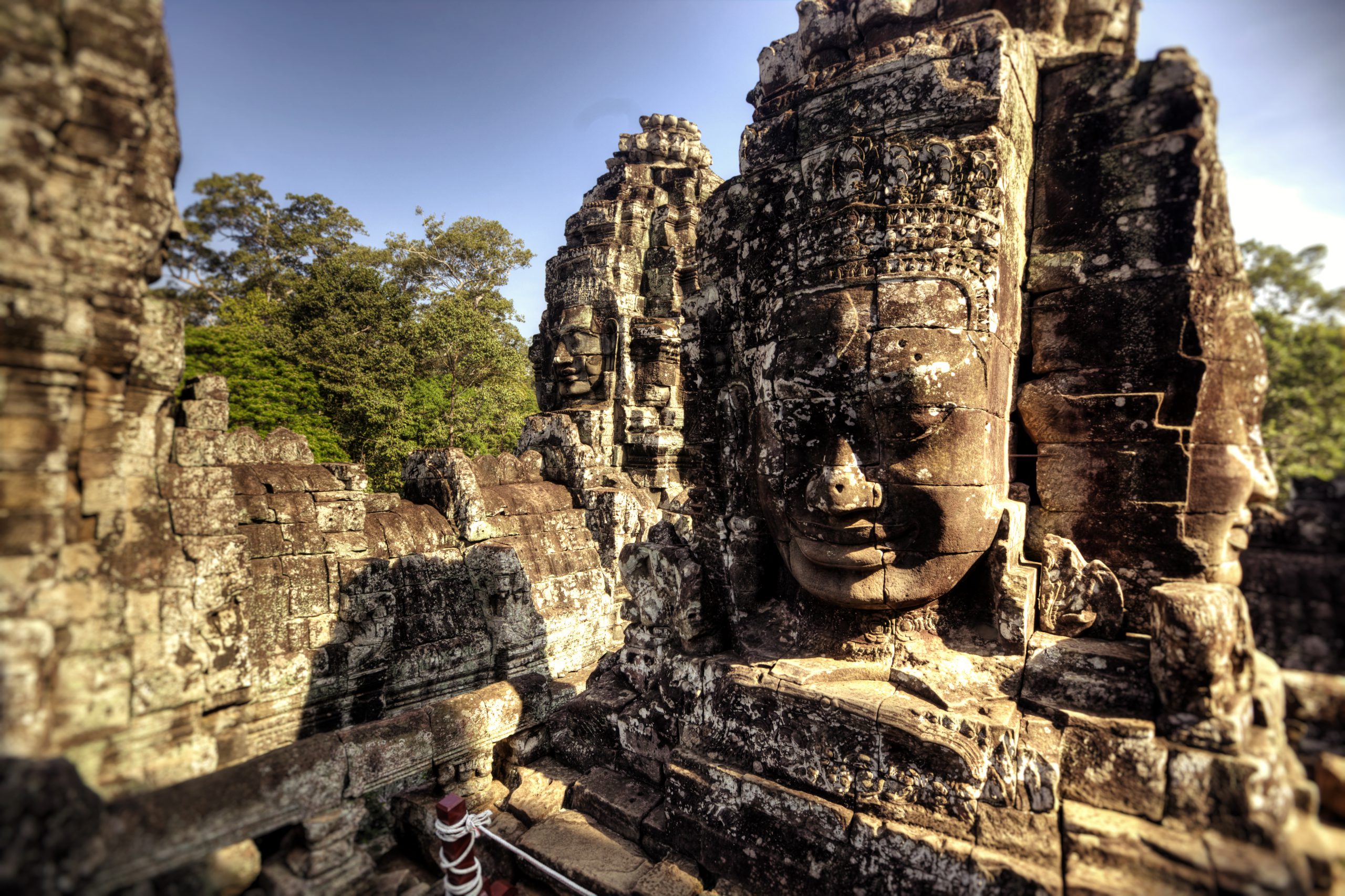
Continue to Angkor Thom, the grand capital of the Khmer Empire. Visit the Bayon temple, famous for its giant serene stone faces and explore nearby treasures including Bapoun, Phimeanakas, Terrace of the Elephants, and Terrace of Leper King. 

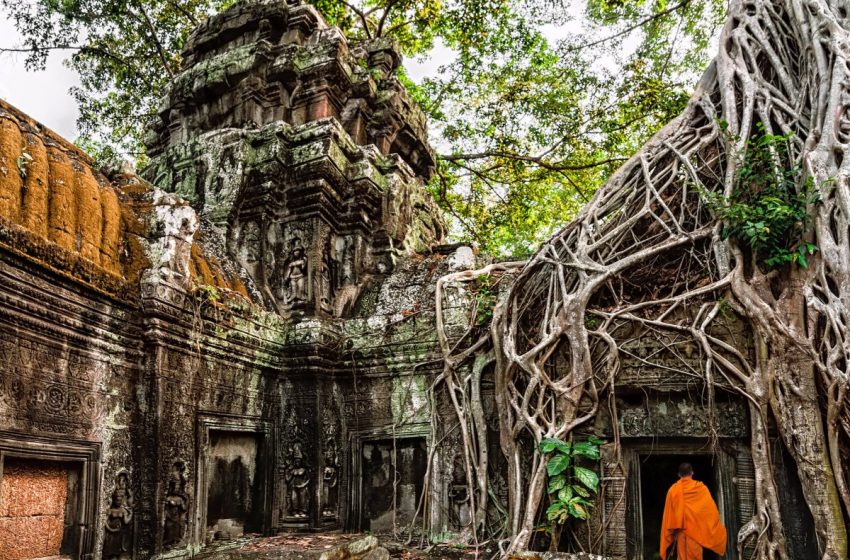
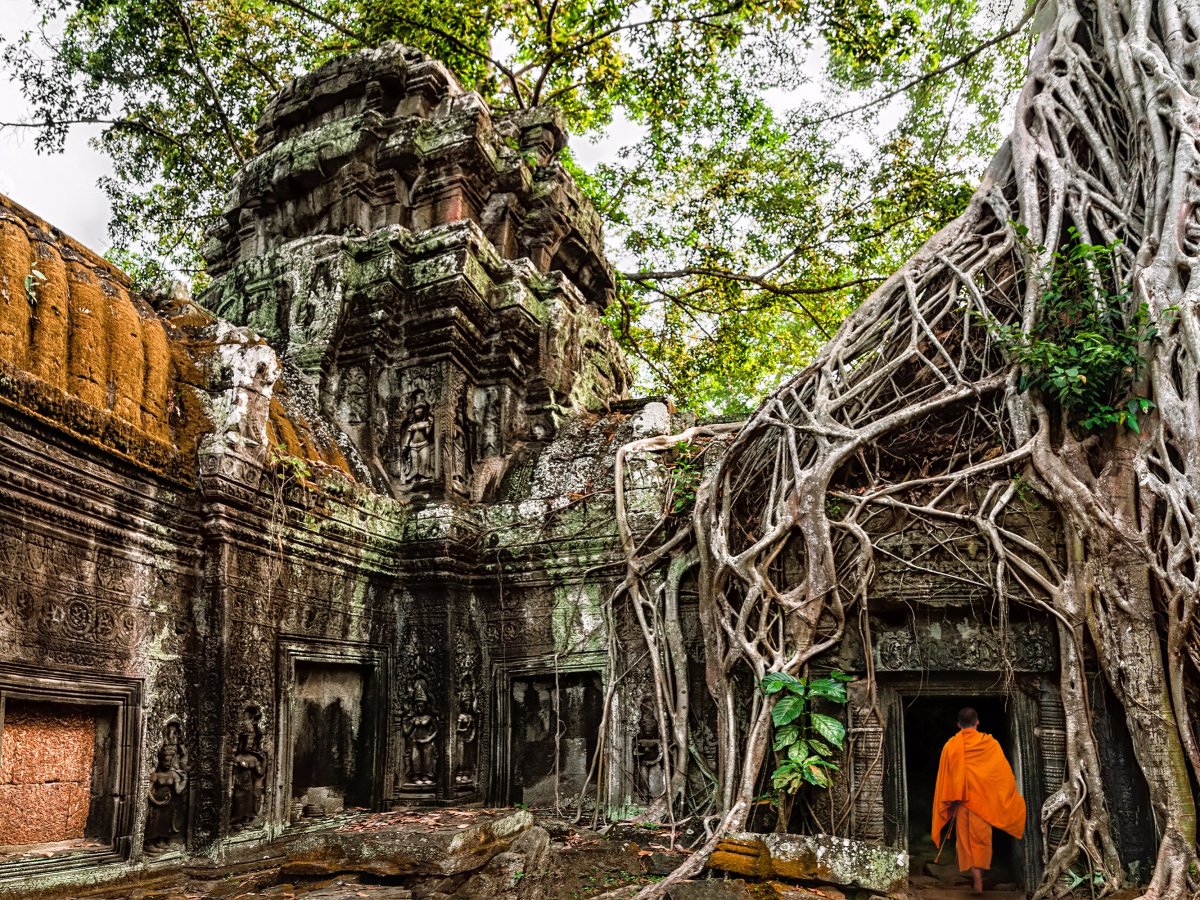
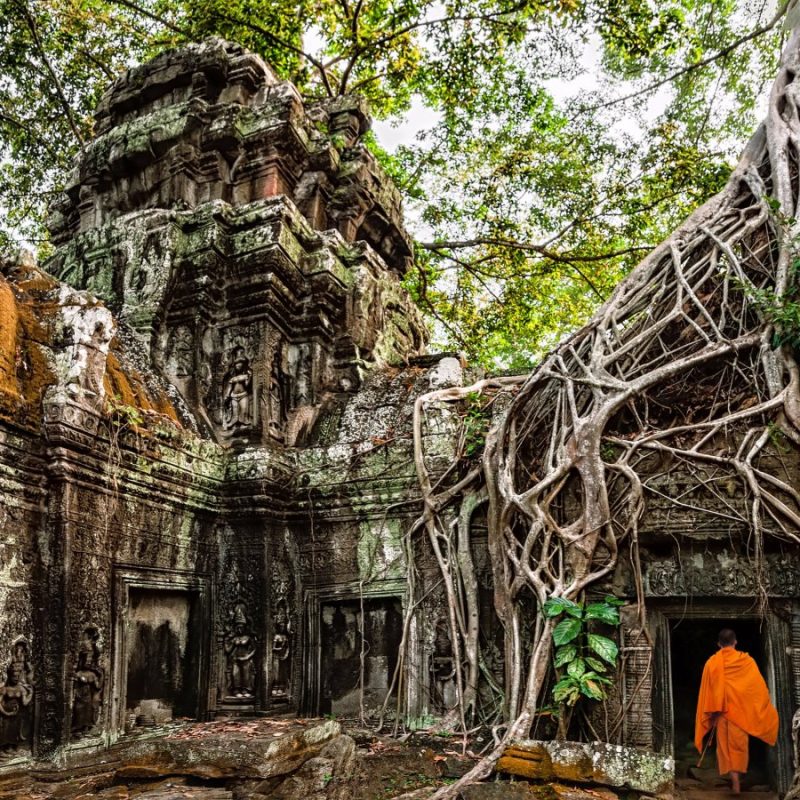
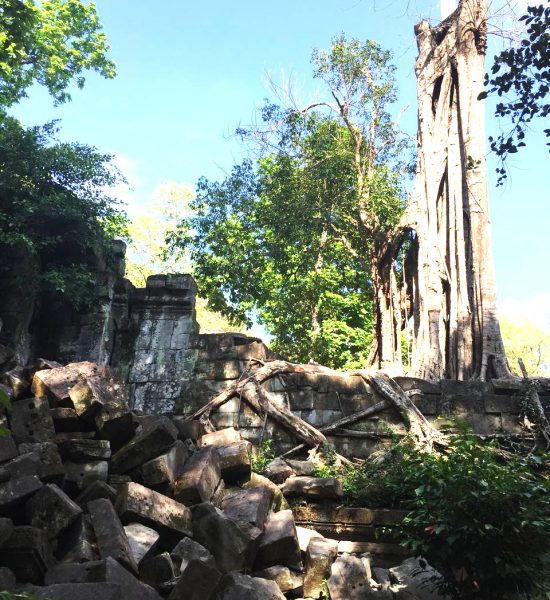
Ta Nei & Ta Prohm

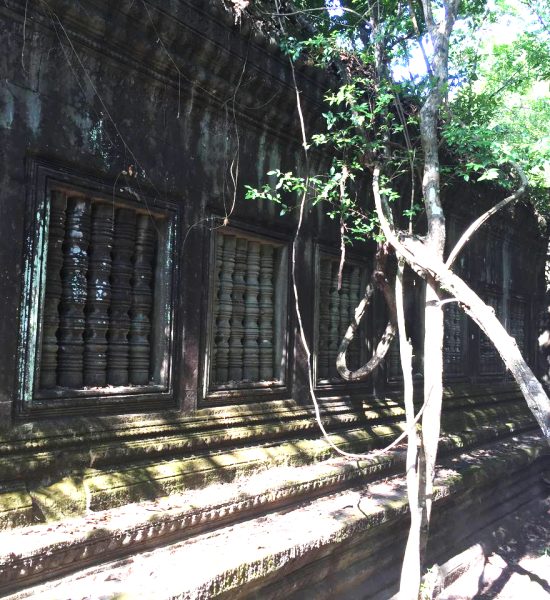
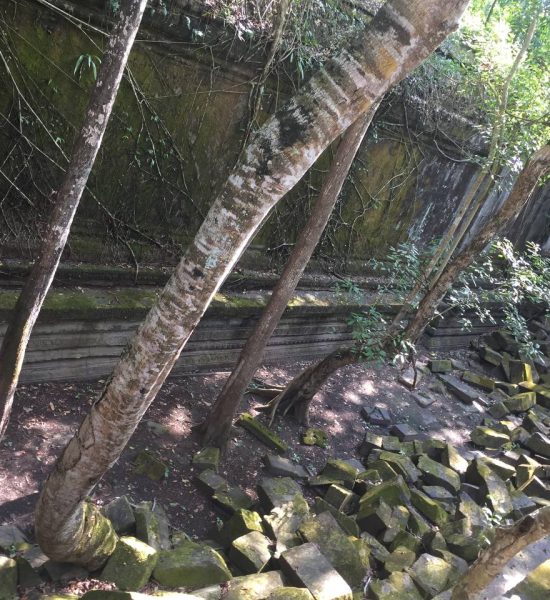
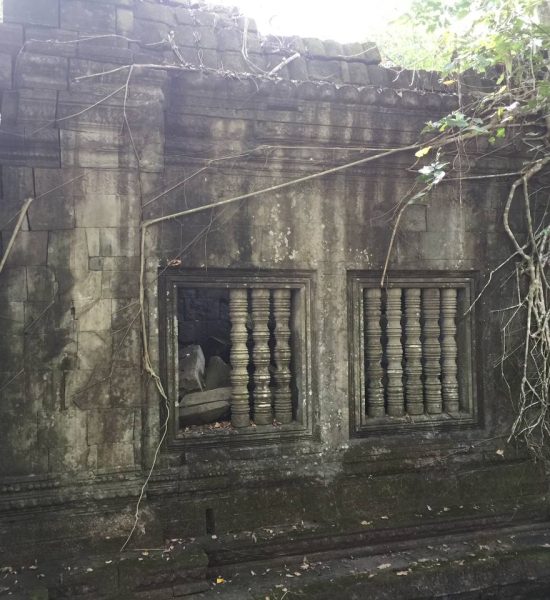
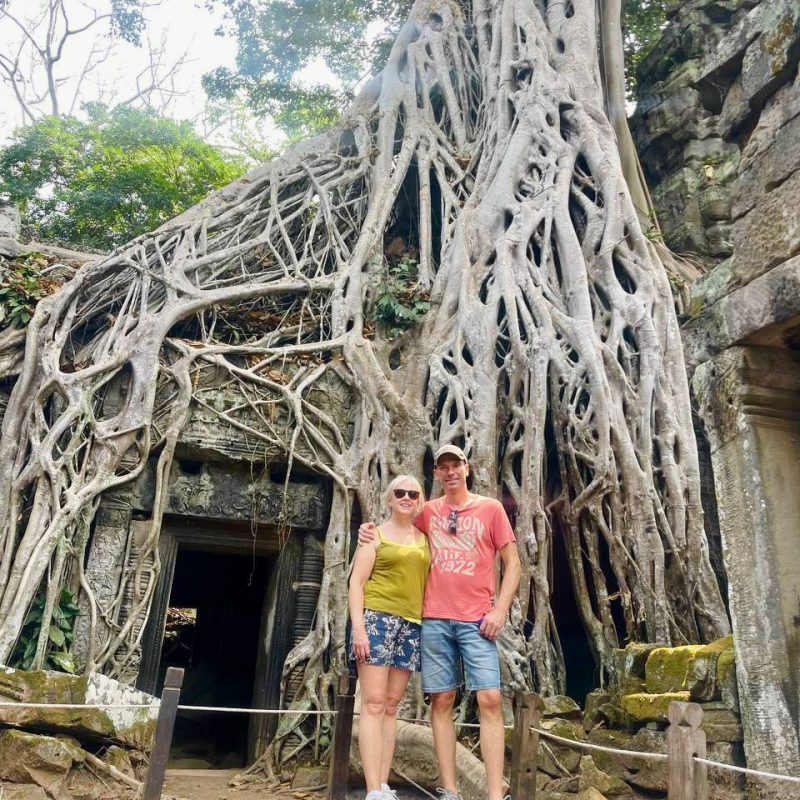
In the afternoon, visit Ta Nei, a peaceful jungle temple, Ta Prohm, the spectacular site made famous by Tomb Raider with giant tree roots growing over the ruins. 

Lunch break at local restaurant ( own expense) 

Day 2 - Banteay Srie & Big circle Temples

Overview

Dive deep into the heart of Angkor with a full-day tour exploring Banteay Srie – the “Citadel of Women” – and the Big Circle Temples, where history, art, and spirituality come alive. 

Highlight

Itinerary

Banteay Srie Temple 

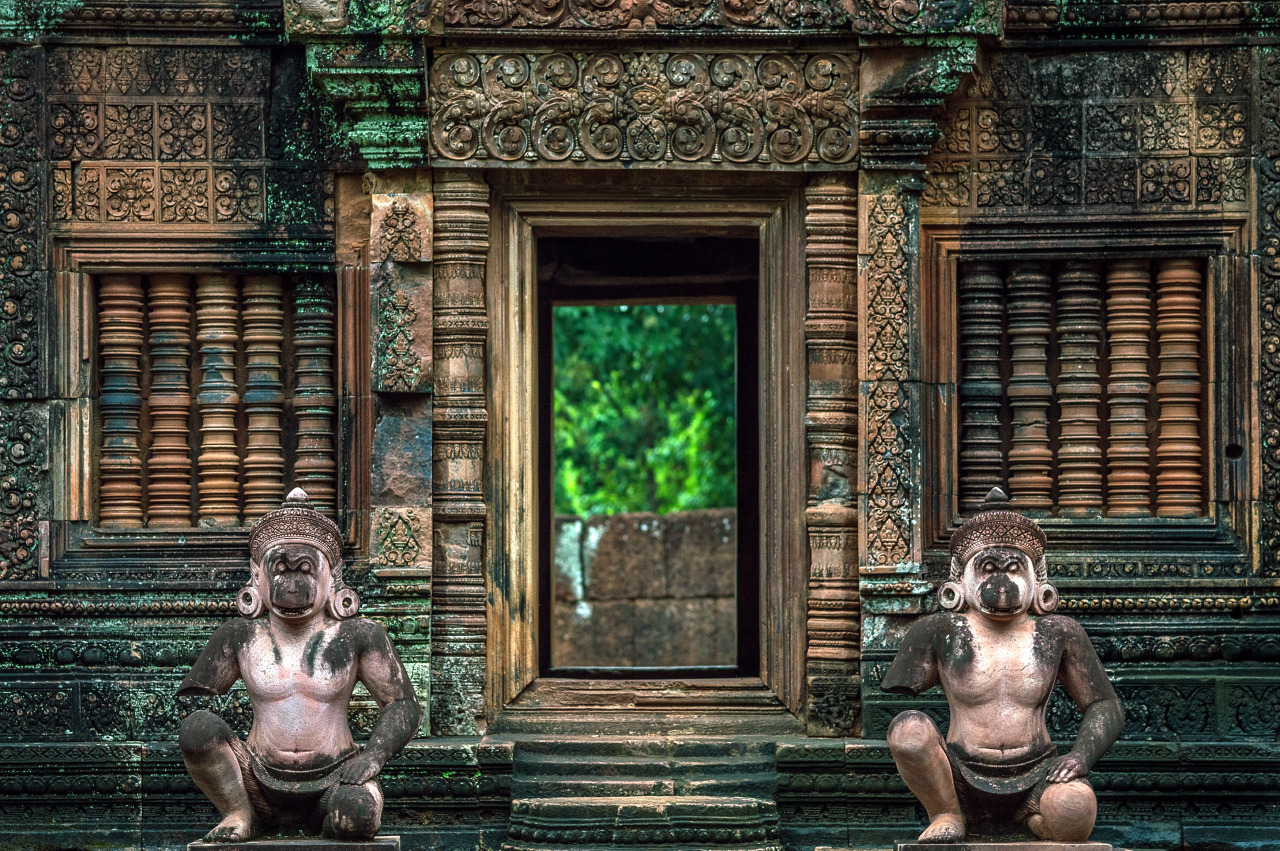
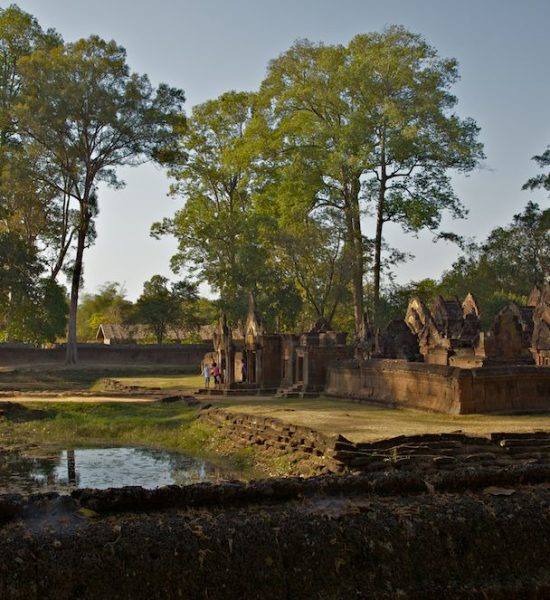
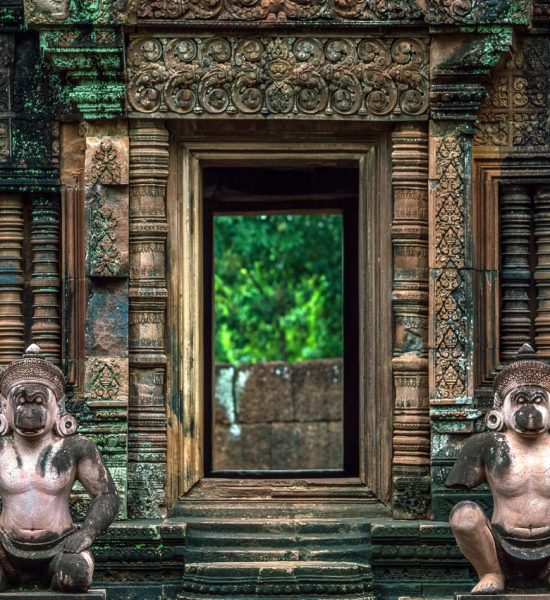
A famous for its intricate pink sandstone carvings and delicate Bas-reliefs, ofter considered the jewel of Khmer art. 

Preah Khan 

A sprawling temple complex rich with historical significance and hidden passageways. 

Neak Pean

A unique temple built on a small island, surrounded by sacred pools, symbolozing healing and balance. 

Ta Som

Small but picturesque temple, perfect for photography with its iconic tree-entwined entrance. 

East Mebon & Pre Rup

The stunning temples that showcase classic Khmer architecture and panaromic views from the top. 

Lunch break including in the day ( own cost ) 

Day 3: Rolous group & Kampong Phluk Floating village

Overview

Discover the early origins of the Khmer Empire and experience real Cambodian life on the water. This full-day tour combines the ancient Rolous Group temples with memorable visit to Kampong Phluk floating village on Tonle Sap Lake. 

Highlight

Itinerary

Lolei Temple

A peaceful island temple once surrounded by a large reservoir. 

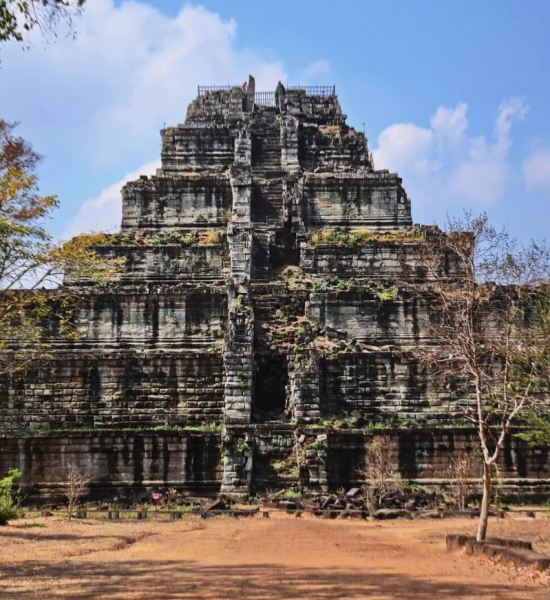
Preah Ko 

A famous for sacred bull statues and royal dedication towers. 

Bakong Temple

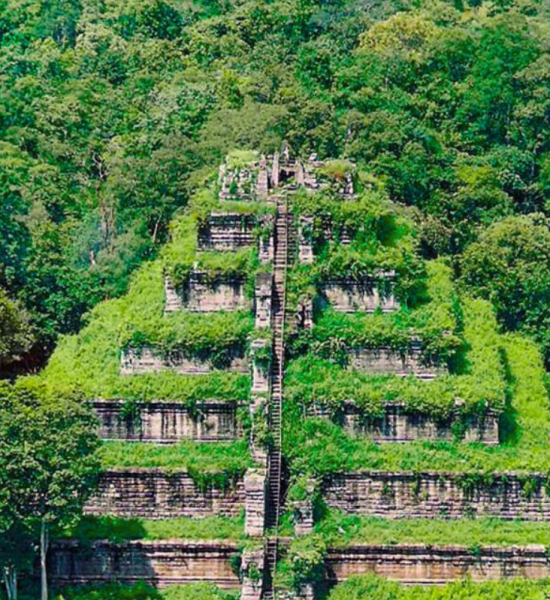
The first major sandstone mountain temple of the Khmer Empire. 

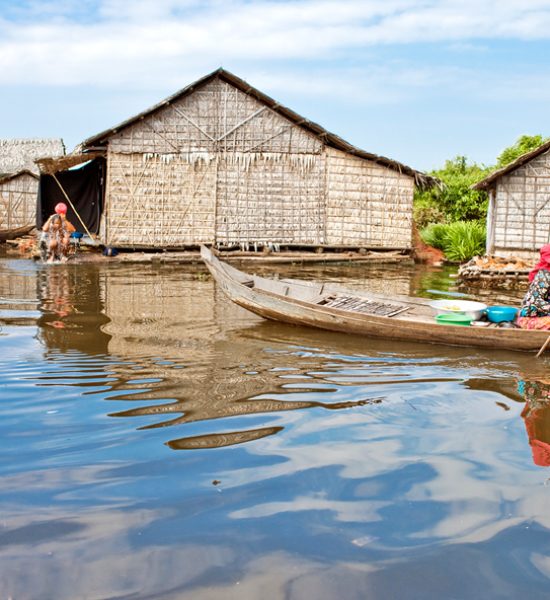
Kampong Phluk Floating Village

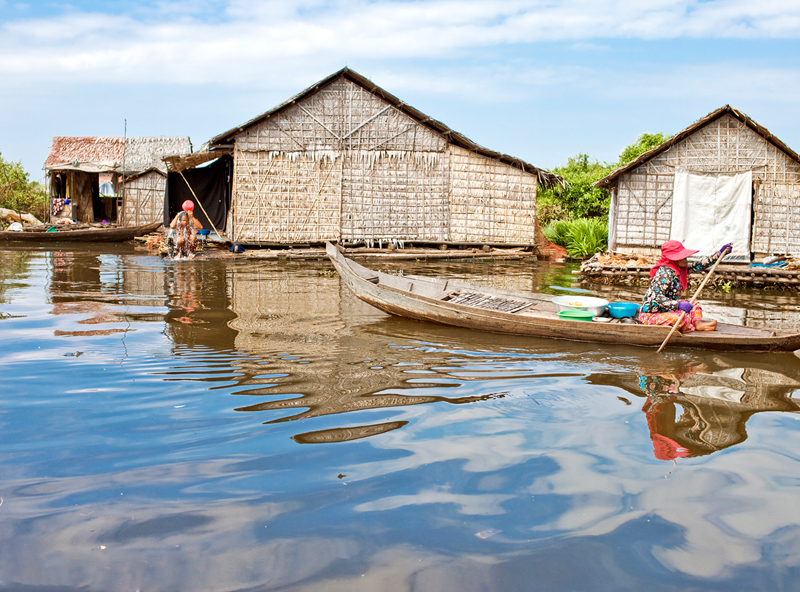
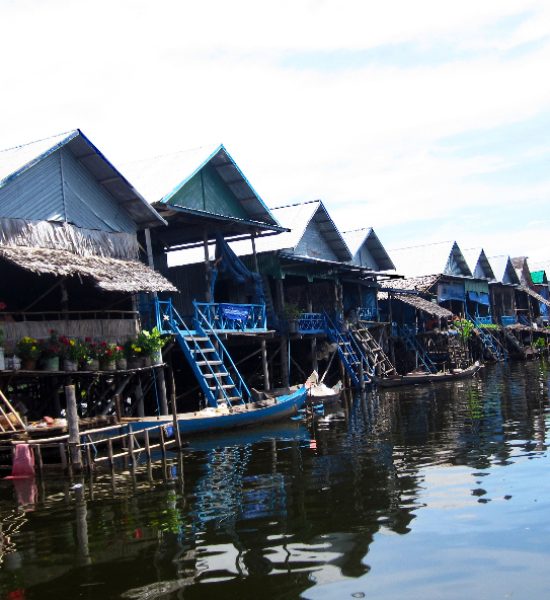
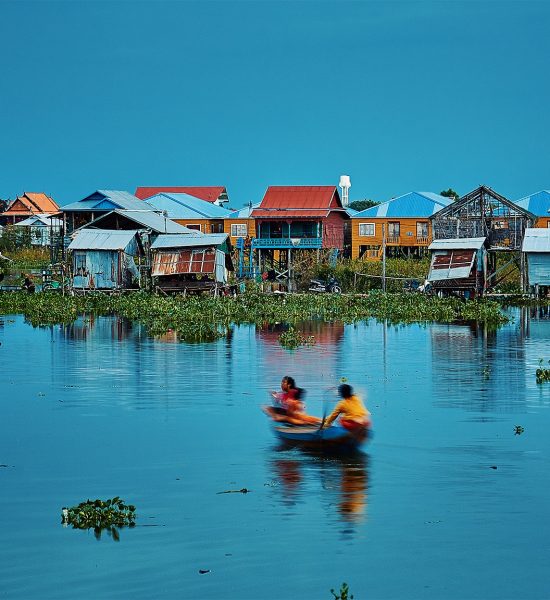
After exploring the temples, continue to Kampong Phluk, one of the most authentic floating villages near Siem Reap. 

  • Boat rice through stilted houses rising up 10 meters above the ground. 
  • Cruise through flooded mangrove forests ( seasonal) 
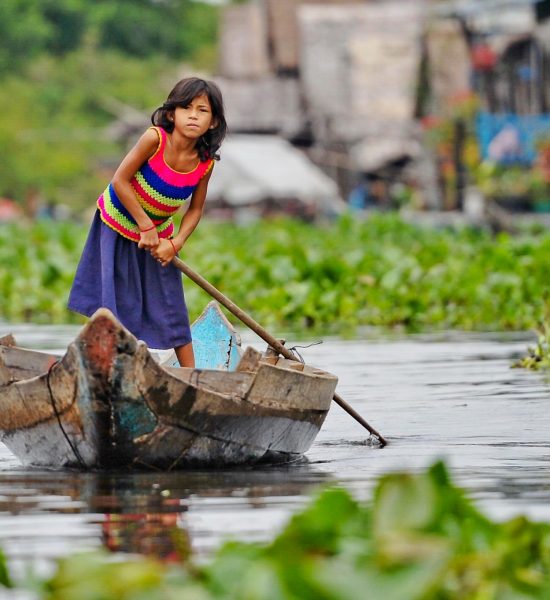
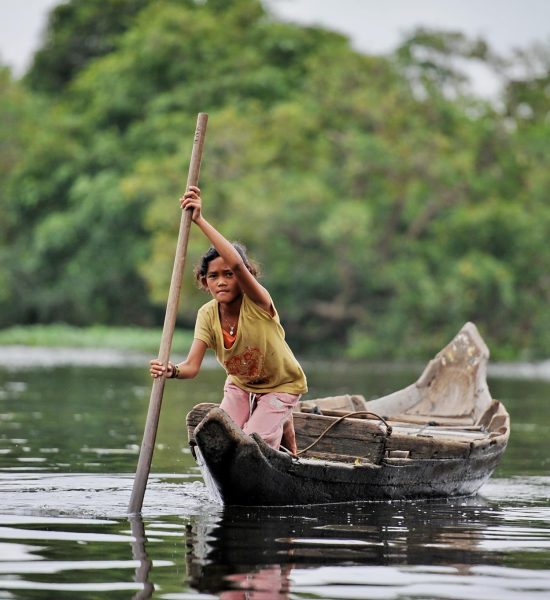
  • Observe daily life: fishing, boat building, schools, and local markets. 
  • Optional sunset view over Tonle Sap Lake, Southeast Asia’s largest freshwater lake. 

Tour Included

Tour Excluded

Other similar tours

Angkor Wat 2 Days Tour Small & Big Circle Temple

Angkor Wat 2 Days Tour Small & Big Circle Temple

Overview

The Angkor Two 2 Days Small & Big Circle Tour is the perfect choice for travelers who want to explore all the major and iconic temples of Angkor at a relaxed pace. 

This tour combines the most famous highlights with less-visited ancient temples, guided by a professional local expert who brings Khmer history and culture to life. 

Ideal for first-time visitors, couples, families, and travelers who want a complete Angkor Expereince in two days. 

Day1 - Small Circle Tour ( Angkor Highlights)

Highlight

Angkor Wat Sunrise

Being your day early with a breathtaking sunrise at Angkor Wat, the world largest religious monument and UNESCO World Heritage Site. 

Angkor Wat Temple

Explore the magnificent galleries, Bas-reliefs, and central towers while learning about Hindu and Buddhist symbolism, Khmer architecture, and ancient history. 

Angkor Thom & Bayon Temple

Enter the ancient capital of Angkor Thom and visit :

  • Bayon Temple​- famous for its 216 smiling stone faces 
  • Bapoun Temple
  • Phimeanakas
  • Terrace of the Elephants 
  • Terrace of the leper King

Ta Prohm - Jungle Temple

Discover Ta Prohm, where giant tree roots embrace temple ruins, creating one of the most photogenic and iconic site in Angkor. 

Lunch break at a local restaurant ( own expense) 

Day 2 - Big Circle Tour ( Grand & Peaceful Temples)

Highlight

Preah Khan Temple

Explore Preah Khan, a vast monastic complex filled with corridors, carvings, and peaceful jungle surroundings. 

Neak Pean

Visit Neak Pean, a unique island temple built in the middle of a sacred reservoir, once used for spiritual healing. 

Ta Som Temple

A small but charming temple known for its giant tree gate, perfect for photography. 

East Mebon

Discover East Mebon, a mountain temple built on an ancient reservoir, famous for its stone elephant status. 

Prey Rup Temple - Sunset Expereince

End your tour with a beautiful sunset at Pre Rup Temple or another scenic viewpoint, depending on weather and crowd conditions. 

Tour Included

Tour Excluded

Other similar tours

Angkor Wat 2 Days Tour

Angkor Wat 2 Days Tour

Angkor Wat Two Days Tour - Best Experience in Siem Reap

Overview

Our two days Angkor Wat tour is designed for travelers who want to explore the most iconic temples of the Angkor Archaeological Park at an enjoyable pace. You will experience sunrise at Angkor Wat, the ancient city of Angkor Thom, hidden jungle temples, cultur attractions in Siem Reap and a stunning sunset over Tonle Sap Lake. 

Day 1 - Temple, History & Sunrise Magic

Angkor Wat Sunrise

 Start early with a pre-dawn hotel pick up and head to Angkor Wat to witness the megnificent sunrise. This iconic sunrise experience is one of the most unforgettable moments of your trip. 

Explore Angkor Wat

Walk around the central complex with your knowledgeable guide, learning about the temples architecture and rich Khmer history. 

Angkor Thom & Bayon

Continue to Angkor Thom, the grand capital of the Khmer empire. Visit the Bayon temple, famous for its giant serene stone faces, and explore nearby treasures including Baphoun, Phimeanakas, Terrace of the elephants and the Terrace of the Leper King. 

Ta Nei & Ta Prohm 

In the afternoon, visit Ta Nei, a peaceful jungle temple, and Ta Prohm, the spectacular site made famous by Tomb Raider with giant tree roots growing over the ruins. 

Lunch break is included in the day ( own cost). 

NOTE: Late morning pick up from hotel for sunset Angkor tour option.

Day 2 - Culture, Museum & Tonle Sap Lake Sunset

Highlight

Artisan D’Angkor Workshop 

After a relaxed morning pick up, visit the Artisan D’Angkor workshop, where you’ll see traditional Cambodian crafts and even try carving something yourself. 

Angkor National Museam 

Continue to the Angkor National Museam in Siem Reap to learn more about the temples you explored and the history of the Khmer Empire through beautiful presented artifacts and exhibits. 

Tonle Sap Lake & Floating Village 

In the late afternoon, head to Tonle Sap Lake – the largest freah water lake in Southeast Asai. Explore traditional floating villages, see daily village life on stilts, and enjoy the beautiful sunset over the water. 

 Lunch again at a local restaurant ( own cost ) 

Tour Included

Tour Excluded

Other similar tours

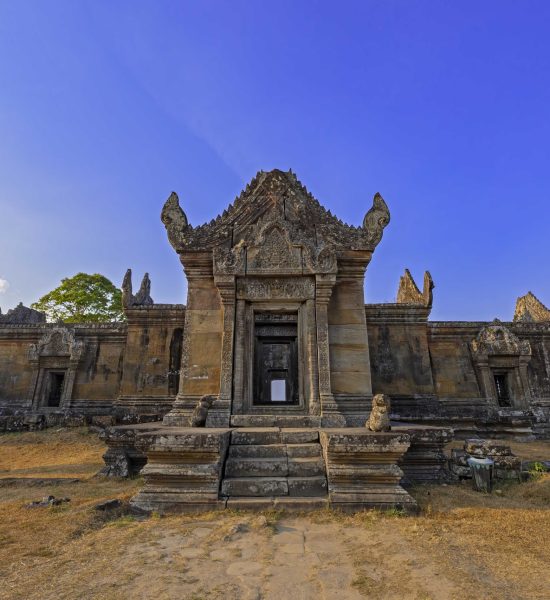
Preah Vihear Temple

Preah Vihear Temple

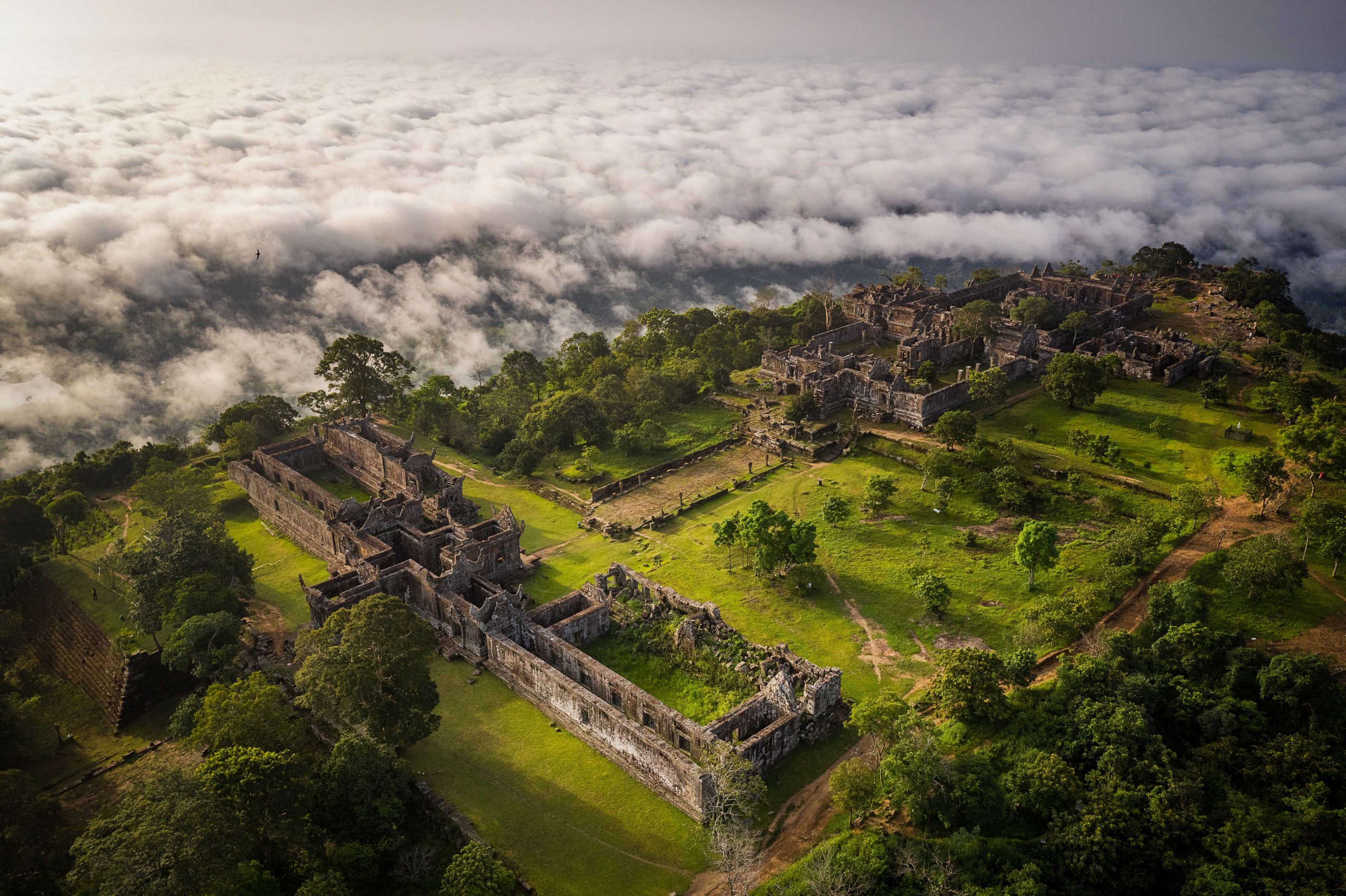
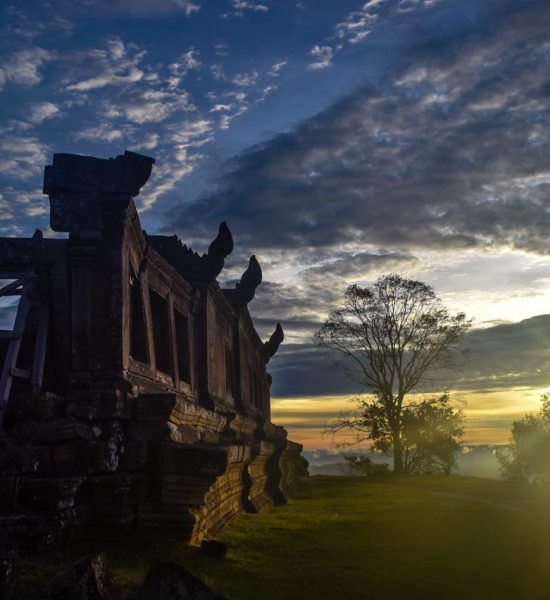
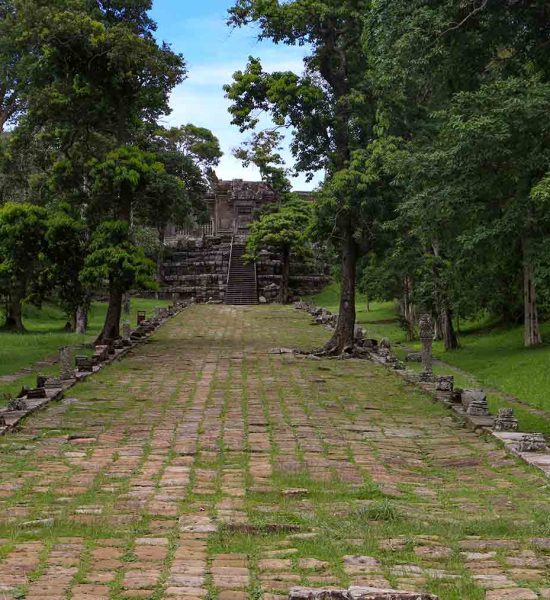
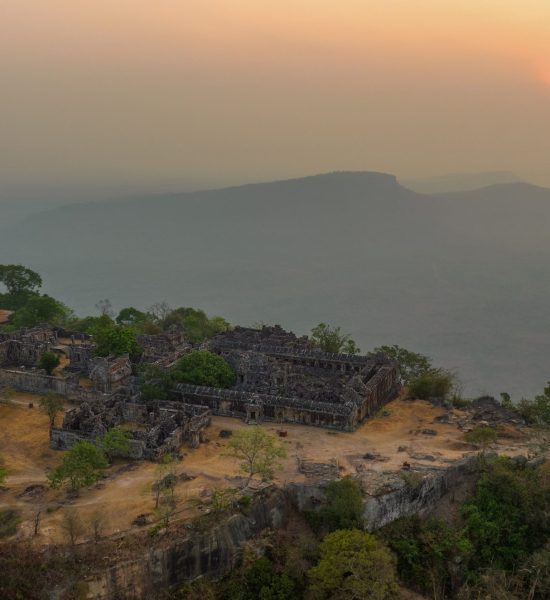
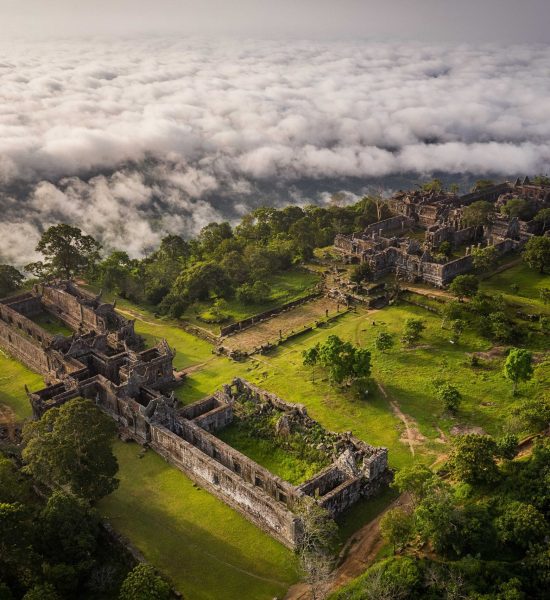
Preah Vihear Temple (Khmer: ប្រាសាទព្រះវិហារ) is a Hindu temple built during the reign of Khmer Empire, that is situated atop a 525-metre (1,722 ft) cliff in the Dangrek Mountain, in the Preah Vihear province, Cambodia. In 1962, following a lengthy dispute between Thailand and Cambodia over ownership, the International Court of Justice (ICJ) in The Hague awarded the temple to Cambodia.

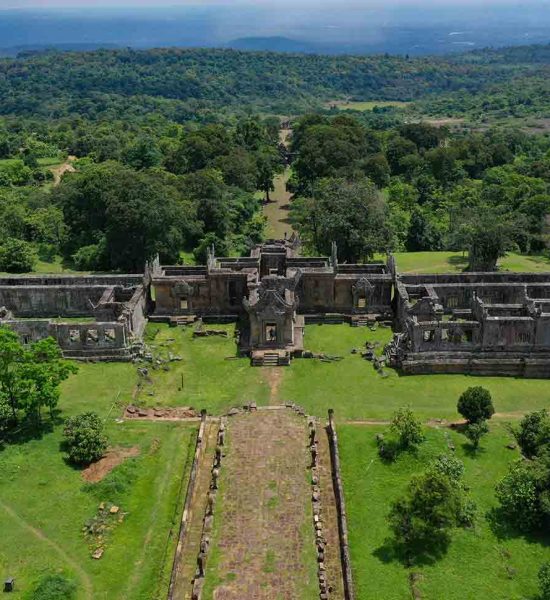
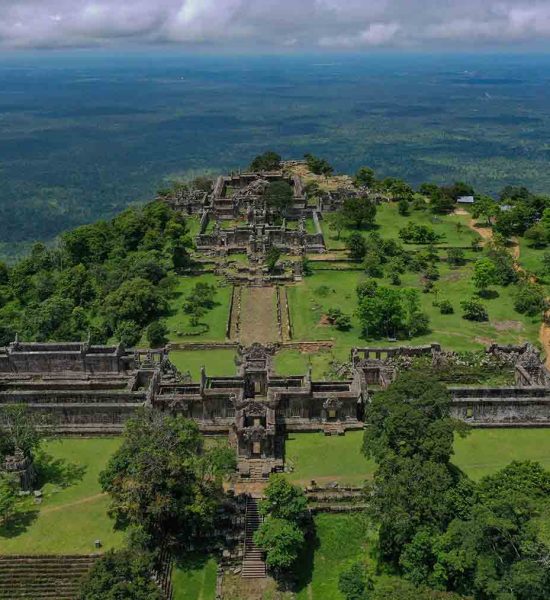
Affording a view for many kilometers across a plain, Prasat Preah Vihear has the most spectacular setting of all the temples built during the six-centuries-long Khmer Empire. As a key edifice of the empire’s spiritual life, it was supported and modified by successive kings and so bears elements of several architectural styles. Preah Vihear is unusual among Khmer temples in being constructed along a long north-south axis, rather than having the conventional rectangular plan with orientation toward the east. The temple gives its name to Cambodia’s Preah Vihear province, in which it is now located, as well as the Khao Pra Wihan National Park which borders it in Thailand’s Sisaket province and through which the temple is most easily accessible. On July 7, 2008, Preah Vihear was listed as a UNESCO World Heritage Site.

Other Attactions

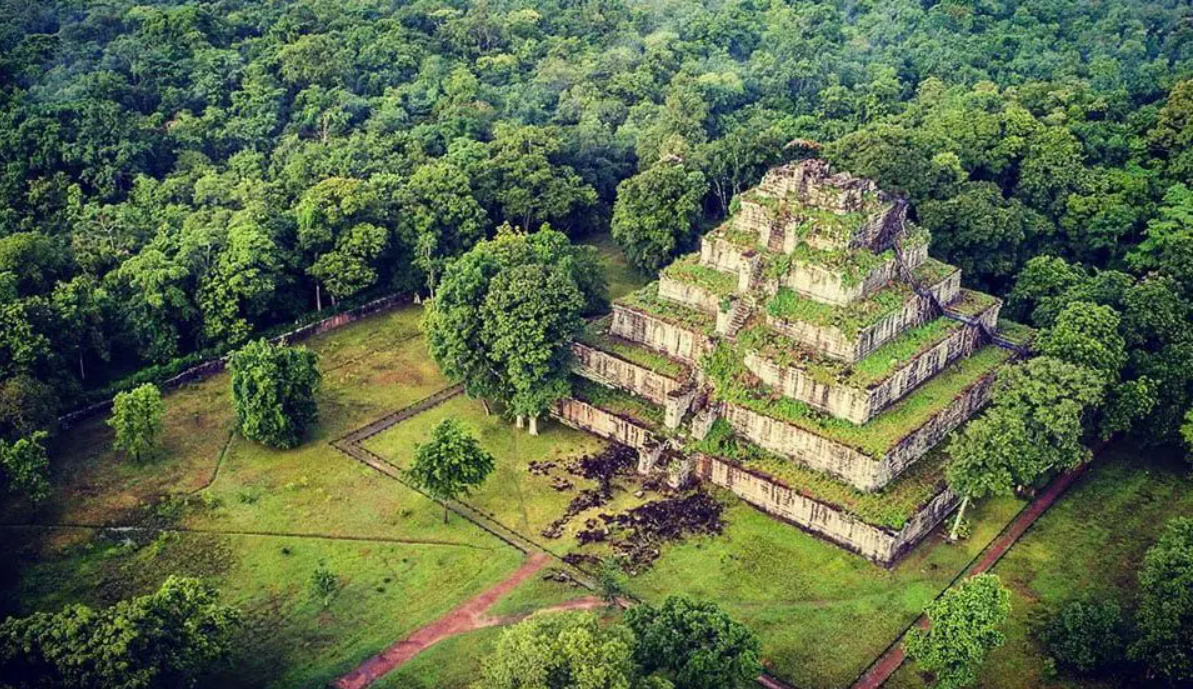
Koh Ker Temple

Koh Ker Temple

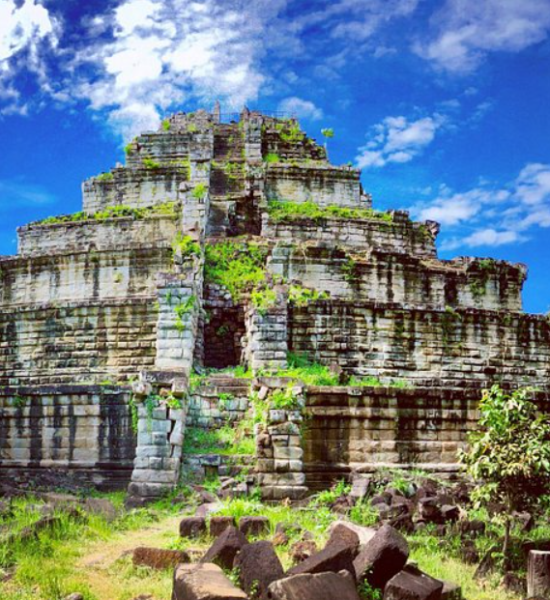
One of Cambodia’s most remote Angkorian sites, 125km northeast of Siem Reap, KOH KER was briefly capital of the Khmer Empire in the tenth century, when Jayavarman IV – who was already ruler of his own state here when he ascended the imperial throne – decided not to relocate to Angkor, but decreed instead that the court should come to him, ordering the construction of a road linking Koh Ker and Angkor, on which the temples of Beng Mealea and Banteay Samre were later built.

Now practically engulfed by jungle, the ruins of Koh Ker have been heavily looted and badly neglected, but plenty remains, including more than forty major monuments spread across eighty square kilometres – although only a small proportion are open to visitors, and much of the area has yet to be completely de-mined. Mines still present a serious danger. Do not on any account stray from well-trodden paths.

Koh Ker is famous for its distinctive style of monumental sculpture, although most pieces have either been looted or removed for safekeeping to the country’s various museums.

Other Attactions

Floating Village Tours

Floating Village Tours

So you’ve seen Angkor and are now wondering what else to do in Siem Reap. “Go visit the Floating village” is the most common answer you’ll get from fellow visitors, tuk-tuk drivers and travel agents alike. And we agree! Going through an authentic Siem Reap floating village is a real treat for those who have never seen similar things before. However, the quality of your experience will largely depend on which floating village you go to. In this post, we’ll review the three main floating villages around Siem Reap and explain why Kompong Khleang is our favorite.

Chong Kneas

A lot has been written about Chong Kneas already (e.g. here on Travelfish ), so let’s just say that there are only a few reasons for which you would want to go there. Here’s an exclusive list for you:

Chong Kneas features absurdities such as small kids sporting huge water snakes and so-called crocodiles farms which in reality are small ponds where dozens of crocodiles are crammed together. At some point, your boat will probably also stop by a “local shop” where it’ll be “strongly suggested” that you buy $60 rice bags “for the children”…

Last but not least, the locals do not get much from the money you’ll spend as the boat service, which is what you’re paying an entrance fee for ($30/person), is managed by a private company. As most visitors there come from Korea, the aforementioned company kindly built floating “local” restaurants that serve Korean food in case their main customers miss it. 

If you want to read further about it, take a look at Trip Advisor’s page about Chong Kneas. At the time we are writing this, there were 101 reviews out of 166 that deemed the experience as “terrible” (one star).

Kompong Phluk

You won’t see any croco farms or children with snakes there, and the boat journey is actually quite scenic and enjoyable. Despite the growing flow of tourists (you’ll understand what we mean when you see the dozens of boats at the dock) , Kompong Phluk has kept a lot of its authenticity and its visit is overall a nice experience.

“Then why don’t you take Triple A customers there?” you may ask. Well, Kompong Phluk is a small village, so the boat ride is consequently quite short. Some find it too short compared to the $20 entry fee per person. Moreover, the boat service is managed by a private company, which means that the locals don’t really see much of the money generated from tourism. Overall, Kompong Phluk is still a good option if you only have a few hours to spend.

Kompong Khleang

Kompong Khleang is where we take our customers and the place we would recommend to anyone who wants to visit a floating village around Siem Reap.

First off because it is truly authentic.Thanks to its low number of visitors (most travel agencies and tuk-tuk drivers prefer to take their clients to Kompong Phluk and Chong Kneas because they’re closer to Siem Reap), Kompong Khleang feels genuinely untouched and peaceful. When we arrive by the small pier in the late morning, there generally are only a few visitors’ cars or mini-vans already parked, if any.

The second reason we choose to take people there is that it is the most beautiful village out of the three. Consider this: Kompong Khleang is the home of about 1800 families, more or less 6000 people altogether. This means that when you arrive in Kompong Khleang, you will see stilt houses as far as the eye can see. More than a village, Kompong Khleang is a small town with its schools, its 3 pagodas, its clinics and everything such a large community requires to function. For those of you who have never seen such things before, it is a truly mind-boggling experience.

Once your boat navigates away from the stilt houses, you will enter the “actual” floating village: several dozens of wooden houses floating on the river. The village moves along the river according to the seasons, and even sits on Tonlé Sap lake during the dry season. Just amazing.

One of the best things about Kompong Khleang is that the boat service is still owned by the locals, which means that the money we spend on the boat trip gets back to the community. We really hope it remains this way.

Other Attactions

Kulen Park

Kulen Park

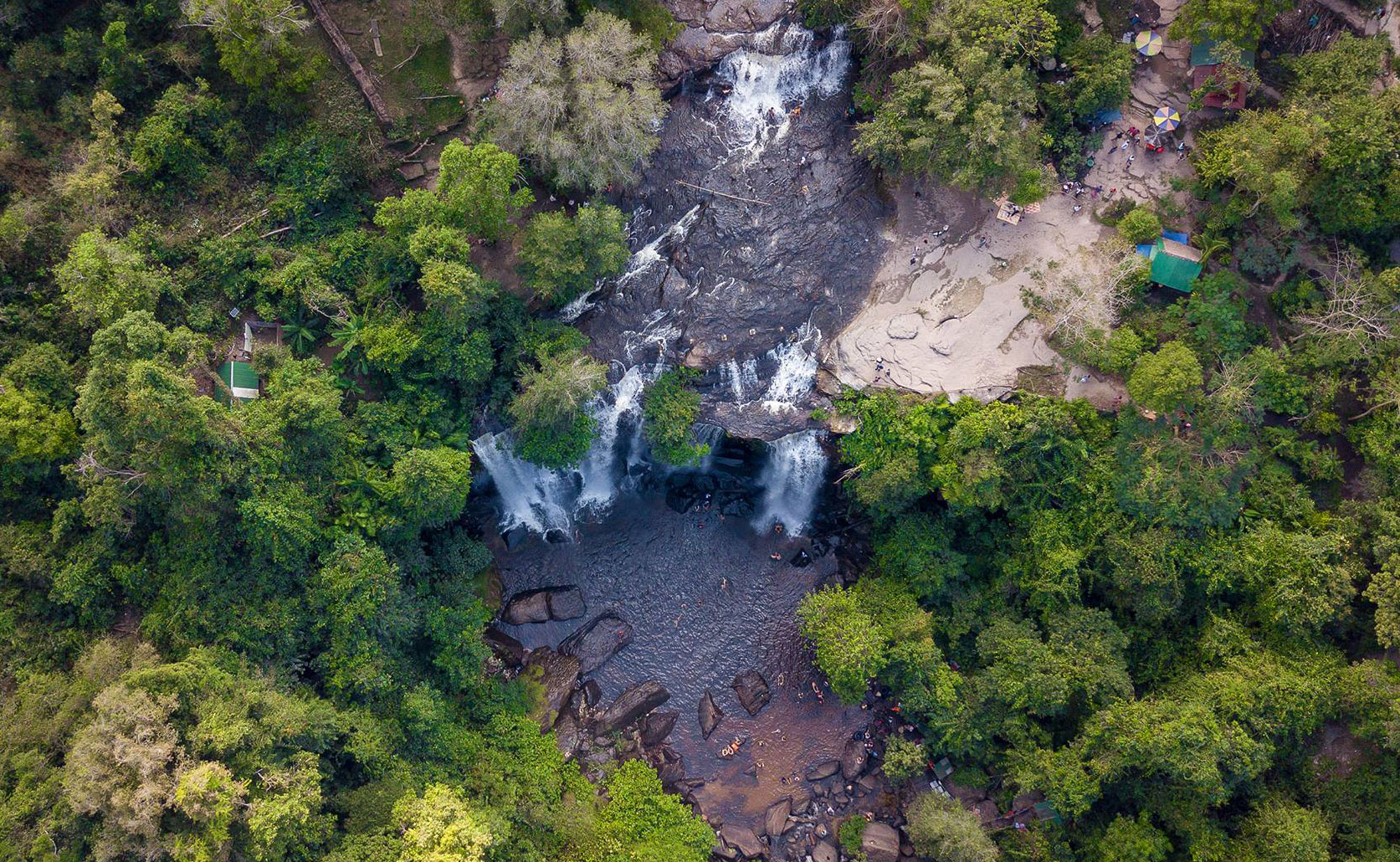
Phnom Kulen is considered by Khmers to be the most sacred mountain in Cambodia and is a popular place of pilgrimage during weekends and festivals. It played a significant role in the history of the Khmer empire, as it was from here in AD 802 that Jayavarman II proclaimed himself a devaraja (god-king) and announced independence from Java, giving birth to modern-day Cambodia.

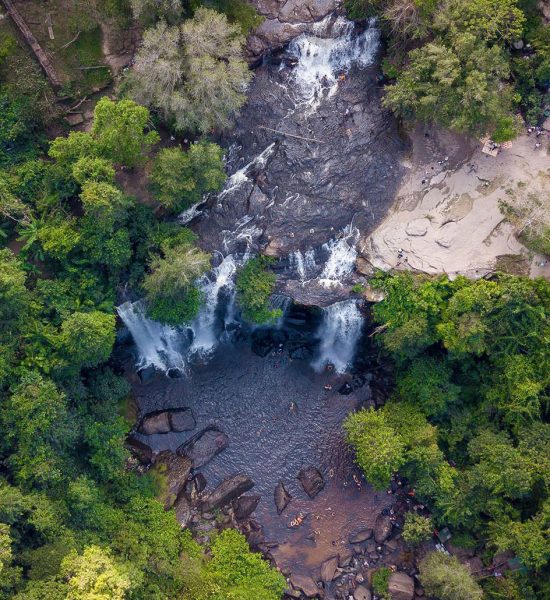
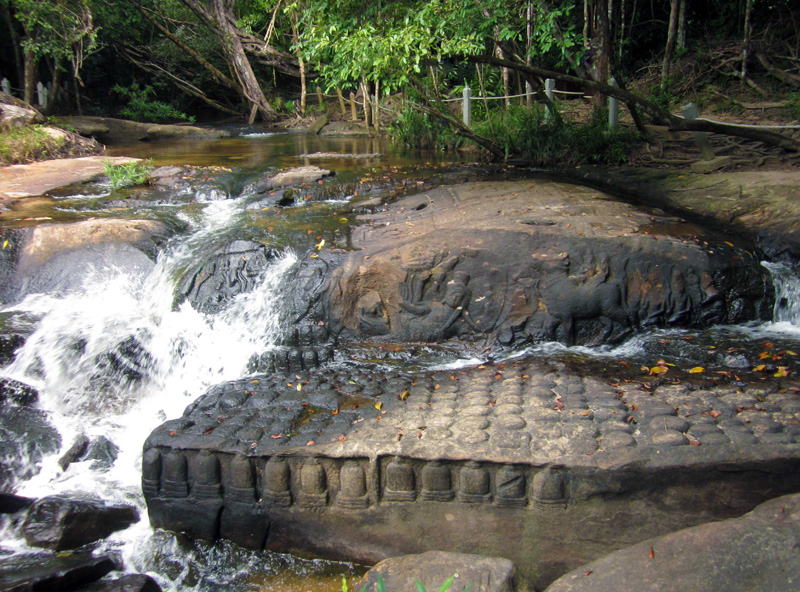
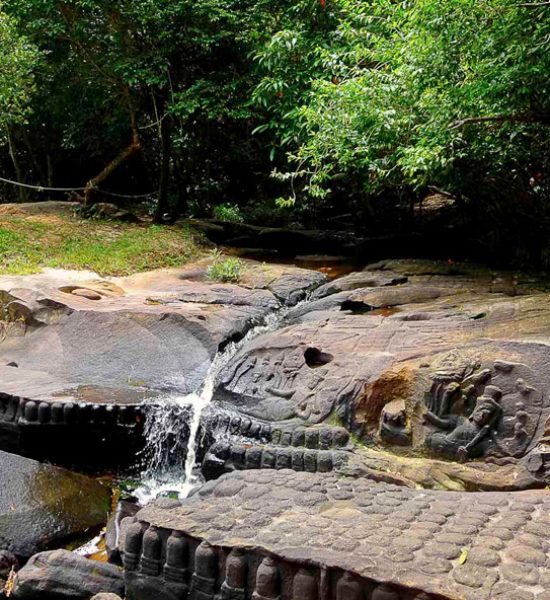
There is a small Wat at the summit of the mountain, which houses a large reclining Buddha carved into the sandstone boulder upon which it is built nearby is a large waterfall and above it are smaller bathing areas and a number of carvings in the riverbed, including numerous lingas.

The new road winds its way through some spectacular jungle scenery, emerging on the plateau after a 20km ascent. The road eventually splits: the left fork leads to the picnic spot, waterfalls and ruins of a 9th-century temple; the right fork continues over a bridge and some riverbed carvings to the reclining Buddha. This is the focal point of a pilgrimage here for Khmer people, so it is important to take off your shoes and any head covering before climbing the stairs to the sanctuary. The views from the 487m peak are tremendous, as you can see right across the forested plateau. The waterfall is an attractive spot, but could be much more beautiful were it not for all the litter left here by families picnicking at the weekend. Near the top of the waterfall is a jungle-clad temple known as Prasat Krau Romeas, dating from the 9th century.

There are plenty of other Angkorian sites on Phnom Kulen, including as many as 20 minor temples around the plateau, the most important of which is Prasat Rong Chen, the first pyramid or temple-mountain to be constructed in the Angkor area. Most impressive of all are the giant stone animals or guardians of the mountain, known as Sra Damrei (Elephant Pond). These are very difficult to get to, with the route passing through mined sections of the mountain (stick to the path!) and the trail impossible in the wet season. The few people who make it, however, are rewarded with a life-size replica of a stone elephant – a full 4m long and 3m tall – and smaller statues of lions, a frog and a cow. These were constructed on the southern face of the mountain and from here there are spectacular views across the plains below. Getting here requires taking a moto from Wat Preah Angkor Thom for about 12km on very rough trails through thick forest before arriving at a sheer rock face. From here it is a 1km walk to the animals through the forest. Don’t try to find it on your own; expect to pay the moto driver about US around US$15 and carry plenty of water, as none is available.

Other Attactions

Kbal Spean – Temple

Kbal Spean – Temple

Kbal Spean or Bridge Head is an Angkorian era archaeological site on the southwest slopes of the Kulen Hills to the northeast of Angkor in Siem Reap District, Siem Reap Province, Cambodia. It is situated along a 50 metres (160 ft) stretch of the Stung Kbal Spean River, 25 kilometres (16 mi) from the main Angkor group of monuments.

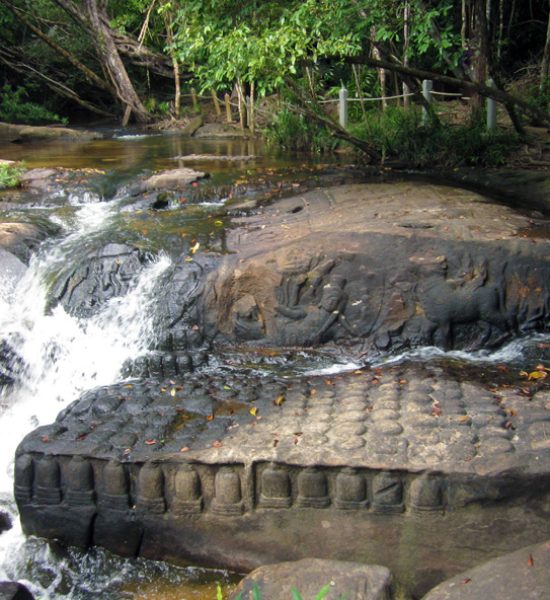
The site consists of a series of stone carvings in sandstone formations carved in the river bed and banks. It is commonly known as the “Valley of a 1000 Lingas” or “The River of a Thousand Lingas”. The motifs for stone carvings are mainly myriads of lingams (phallic symbol of Hindu god Shiva), depicted as neatly arranged bumps that cover the surface of a sandstone bed rock, and lingam-yoni designs. There are also various Hindu mythological motifs, including depictions of the gods Shiva, Vishnu, Brahma, Lakshmi, Rama, and Hanuman, as well as animals

Kbal Spean lies 50 kilometers northeast of Siem Reap pro-vincial town or about 18 kilometers from Banteay Srei on a dirt road. It takes from one to two hours to get there from the provincial town.

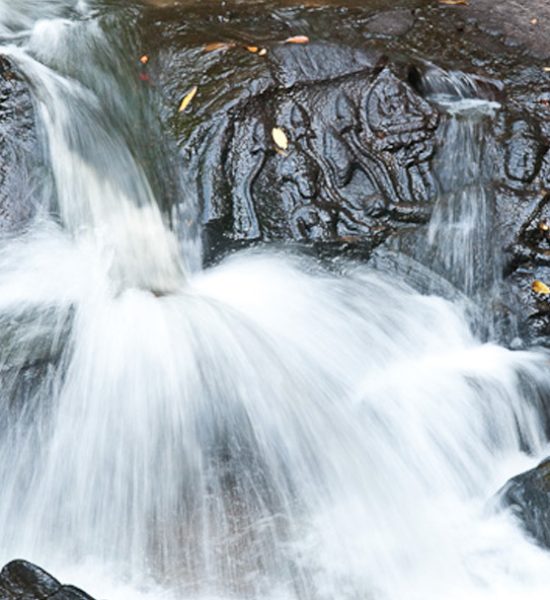
The original River of Thousand Lingams, Kbal Spean is an intricately carved riverbed deep in the foothills of the Cam-bodian jungle. Lingams are phallic representations sacred to Brahmanism as symbols of fertility, and hundreds of them are carved into the rock here, as are several carvings of gods and animals above the small waterfall

History of Kbal Spean Temple

The carving of vestiges began with the reign of King Suryavarman I and ended with the reign of King Udayadityavarman II; these two kings ruled between the 11th and 12th centuries. The 1,000 lingas, but not other sculptures, are attributed to a minister of Suryavarman I during the 11th century, and these were carved by hermits who lived in the area. Inscriptions at the site testify to the fact that most of the sculpting was done during the reign of Udayadityavarman II. It is also mentioned that King Udayadityavarman II consecrated a golden ling here in 1059 AD. It is believed that the Siem Reap River flowing into Angkor is blessed by the sacred lingas over which it flows.

The archaeological site was discovered in 1969 by Jean Boulbet, an ethnologist, but further exploration was cut off due to the Cambodian Civil War. The site regained prominence for safe visits from 1989.

Other Attactions

Beng Mealea Temple

Beng Mealea Temple

Beng Mealea is a temple in the Angkor Wat style located 40 km east of the main group of temples at Angkor, Cambodia, on the ancient royal highway to Preah Khan Kompong Svay

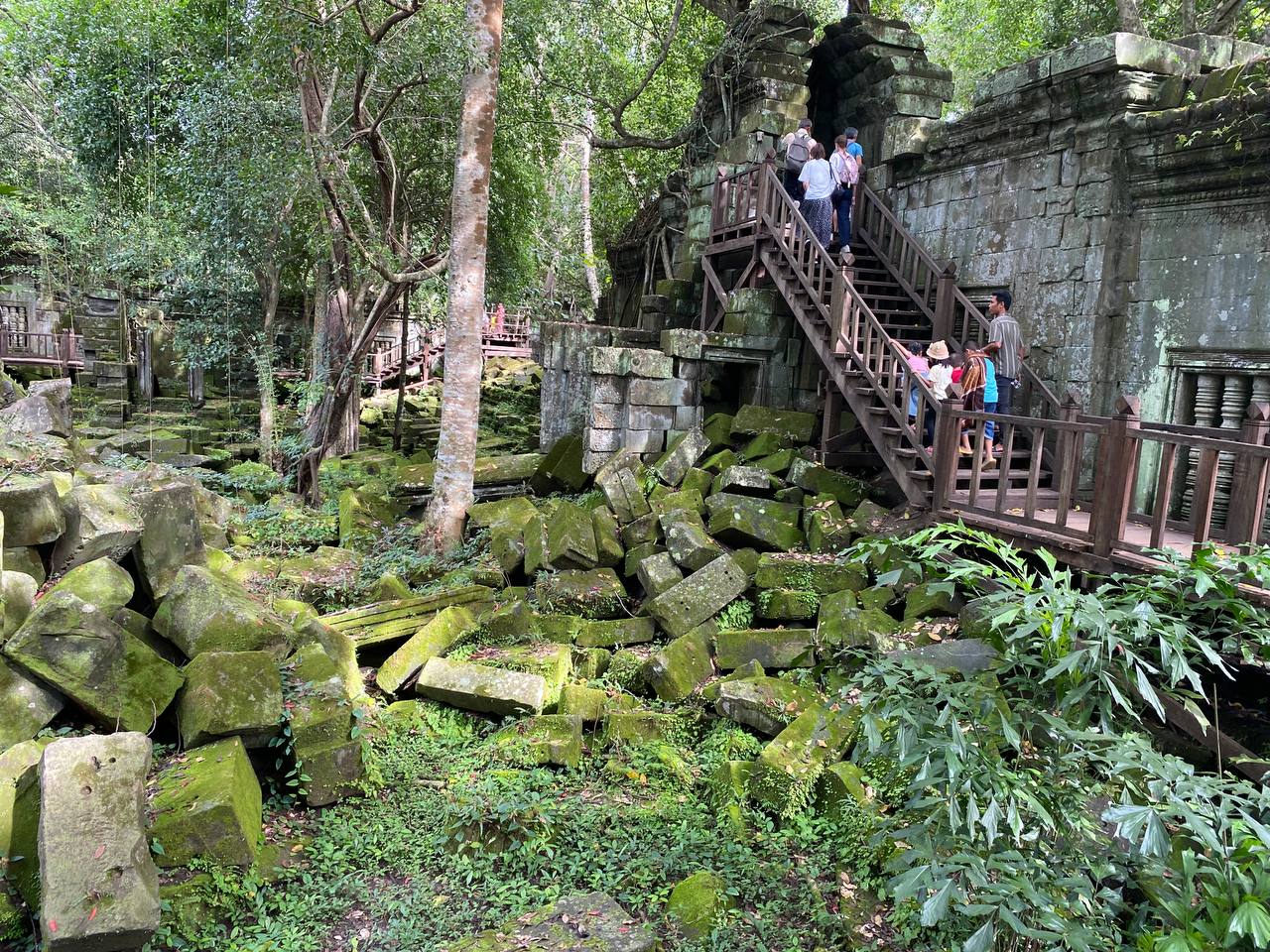
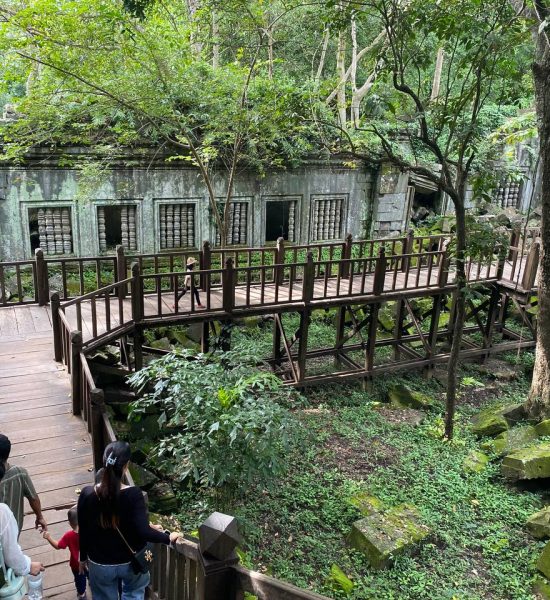
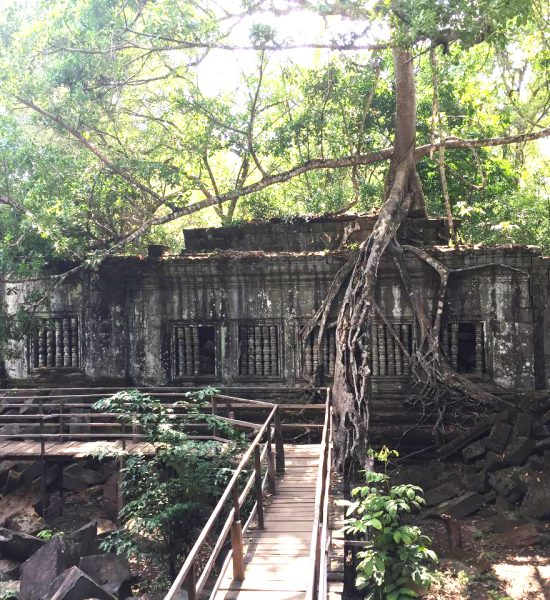
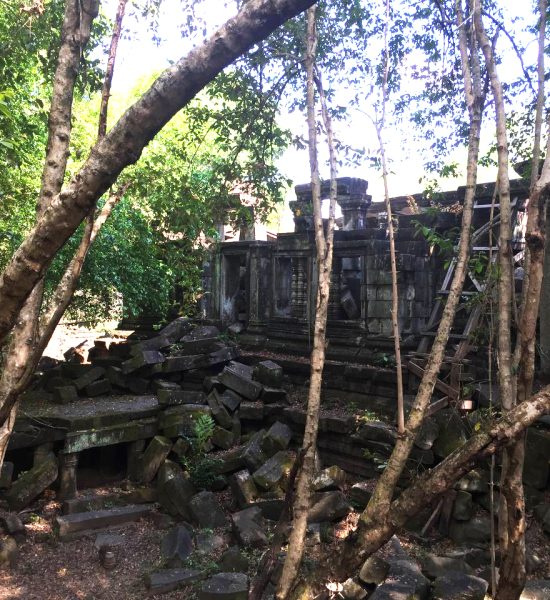
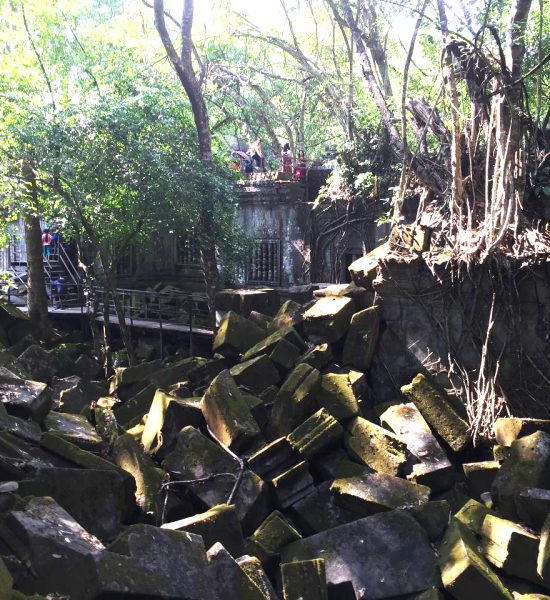
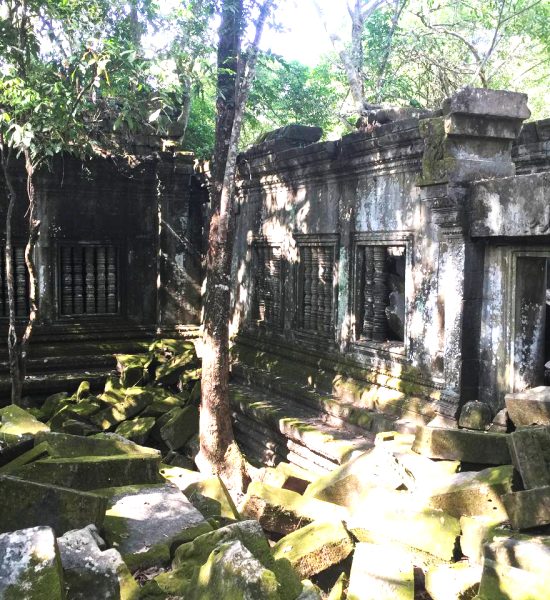
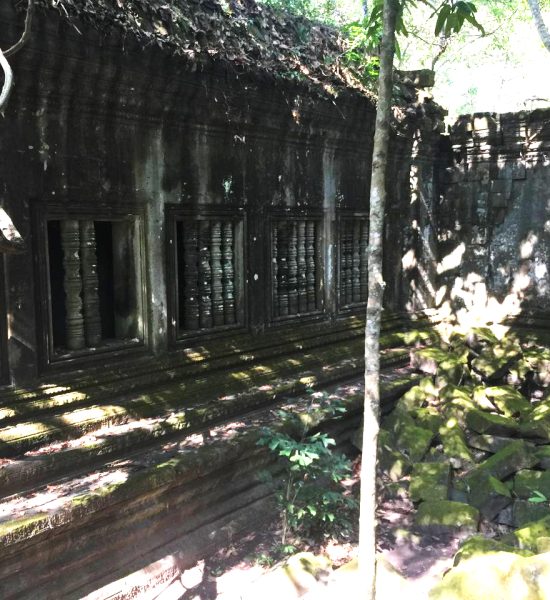
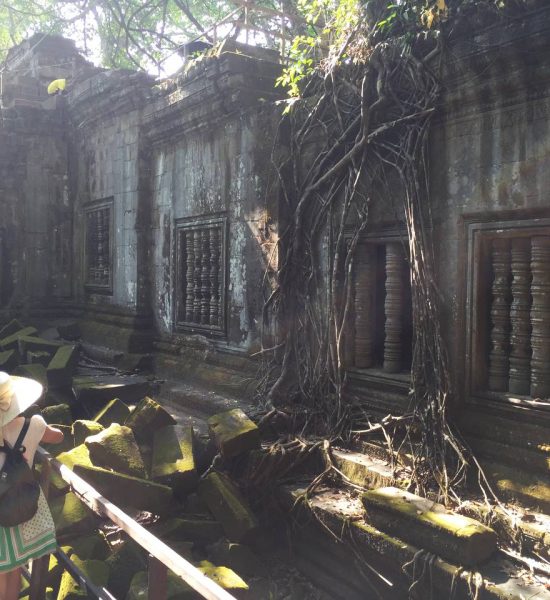
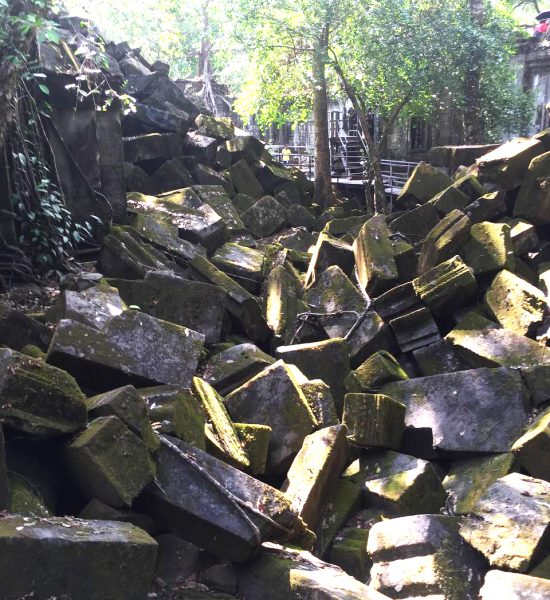
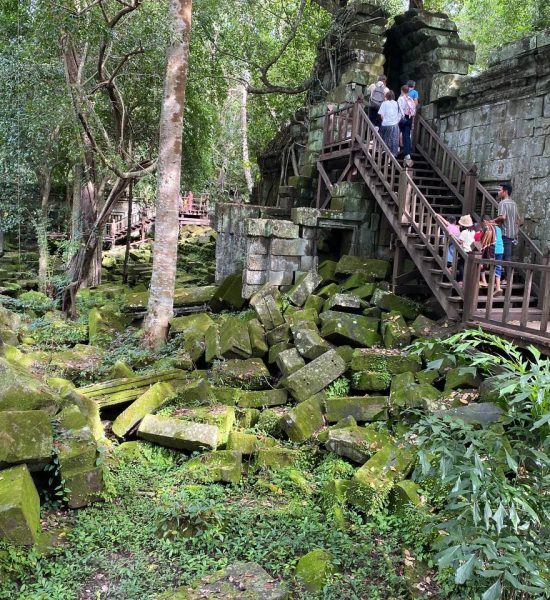
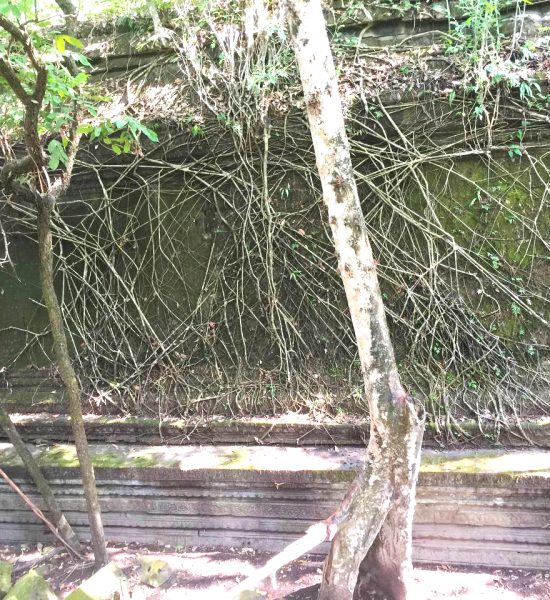
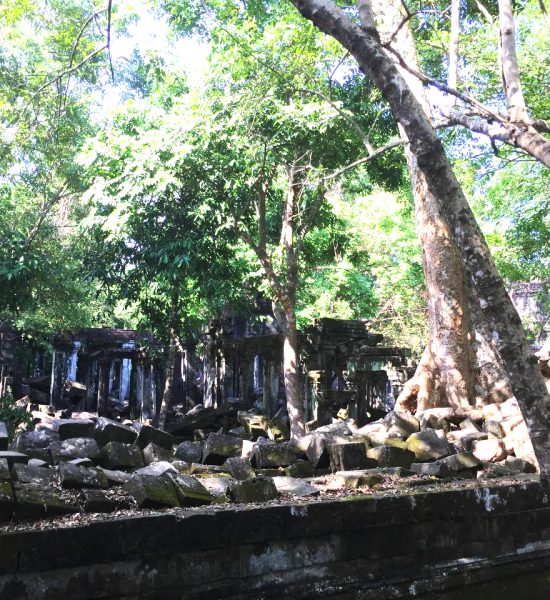
Beng Mealea is a spectacular sight to behold. It’s one of the most mysterious temples at Angkor, as nature has well and truly run riot here. Built to the same floorplan as Angkor Wat, exploring this titanic of temples is Angkor’s ultimate Indiana Jones experience. The temple has been utterly subsumed by jungle, and standing just a few metres away from the south, visitors wend their way over lies of masonry, through long dark chambers and between hanging vines to arrive at the central tower, which has completely collapsed.

Hidden away among the rubble and foliage are several impressive carvings, as well as a well preserved library in the northeastern quadrant. The temple is a special place and it is worth taking the time to explore thoroughly. There is also now a large wooden walkway to the centre, constructed during the filming here of Jean – Jacques Annaud’s Two Brothers (2004) Beng Mealea is at the center of an ancient Angkorian road connecting Angkor Thom and Preah Khan in Preah Vihear Province. A small Angkorian bridge just west of Chau Srei Vibol temple is the only remaining trace of the old Angkorian road between Beng Mealea and Angkor Thom; between Beng Mealea and Preah Khan there are at least 10 bridges abandoned in the forest. This is a way for extreme adventurers to get to Preah Khan temple; however, don’t undertake this journey lightly.

Beung Mealea Temple lies at the foot of Phnom Kulen’s eastern extreme, about 70 kilometers from Siem Reap provincial town. It takes two to three hours to get there via either Banteay Srei of Dam Dek on National Road 6. It is the most accessible of Angkor’s lost temples, a mirror image of the mighty Angkor Wat, but totally and utterly consumed by the jungle.

Constructed by King Suryavarman II (AD 1113-1150), the builder of Angkor Wat, nature has triumphed here, and it is hard to get a sense of the monument’s shape amid the daunting ruins. Like Angkor Wat, Beung Mealea was enclosed by a large moat, which would have measured 1,200 by 900 meters. Once inside the complex, visitors climb over heaps of stones, edge along dark and damp corridors and through dense foliage-this is not one for the fainthearted. The atmosphere, however, is something special. Beung Mealea can be combined with a visit to Banteay Srei and Kbal Spean or Phnom Kulen. Food and drinks are available near the temple.

Other Attactions

Banteay Srie Temple

Banteay Srie Temple

Banteay Srei or Banteay Srey is a 10th century Cambodian temple dedicated to the Hindu god Shiva. Located in the area of Angkor in Cambodia. It lies near the hill of Phnom Dei, 25 km (16 mi) north-east of the main group of temples that once belonged to the medieval capitals of Yasodharapura and Angkor Thom. Banteay Srei is built largely of red sandstone, a medium that lends itself to the elaborate decorative wall carvings which are still observable today. The buildings themselves are miniature in scale, unusually so when measured by the standards of Angkorian construction. These factors have made the temple extremely popular with tourists, and have led to its being widely praised as a “precious gem”, or the “jewel of Khmer art.

Banteay Srei is a temple in Cambodia built in honor of female deities, representing strength, unity, and safety. This pilot is now sustained as an organization that provides social support, healing arts, reproductive health education, life skills-building, leadership development to young Southeast Asian women impacted by sexual exploitation in their communities.

Banteay Srei is dedicated to providing the tools and support necessary for young Southeast Asian women and girls to empower themselves. Based in Oakland, we are an organization that works with young women and girls ages 14-19, that are at-risk or are being sexually exploited. Banteay Srei believes that every person is entitled to living a free, happy and healthy life that is full of options. Through our programs and events that promote leadership development, cultural awareness and self-empowerment, we are working towards creating a generation of fierce, independent and self-empowered young Southeast Asian women.

History of Banteay Srey Temple

Consecrated on the 22nd of April, 967 A.D, Bantãy Srĕi was the only major temple at Angkor not built by a monarch; its construction is credited to a courtier named Yajnavaraha / Yajñavarāha, who served as a counsellor to king Rājendravarman II .The foundational stela says that Yajñavarāha, grandson of king Harṣavarman I was a scholar and philanthropist who helped those who suffered from illness, injustice, or poverty. His pupil was the future king Jayavarman V (r. 968- ca. 1001) Originally, the temple was surrounded by a town called Īśvarapura.

It has been speculated that the temple’s modern name,Bantãy Srĕi, is due to the many devatas carved into the red sandstone walls. Yajñavarāha’s temple was primarily dedicated to the Hindu god Śiva. Originally, it was carried the name Tribhuvanamaheśvara — great lord of the threefold world — in reference to the Shaivite liṅga that served as its central religious image. However, the temple buildings appear to be divided along the central east-west axis between those buildings located south of the axis, which are devoted to Śiva, and those north of the axis, which are devoted to Viṣṇu.

The temple’s modern name, Bantãy Srĕi — citadel of the women, or citadel of beauty — is probably related to the intricacy of the bas relief carvings found on the walls and the tiny dimensions of the buildings themselves.[6] Some have speculated that it relates to the many devatas carved into the walls of the buildings

Other Attactions

Visit Local Travel